Brambles: A Place to Belong
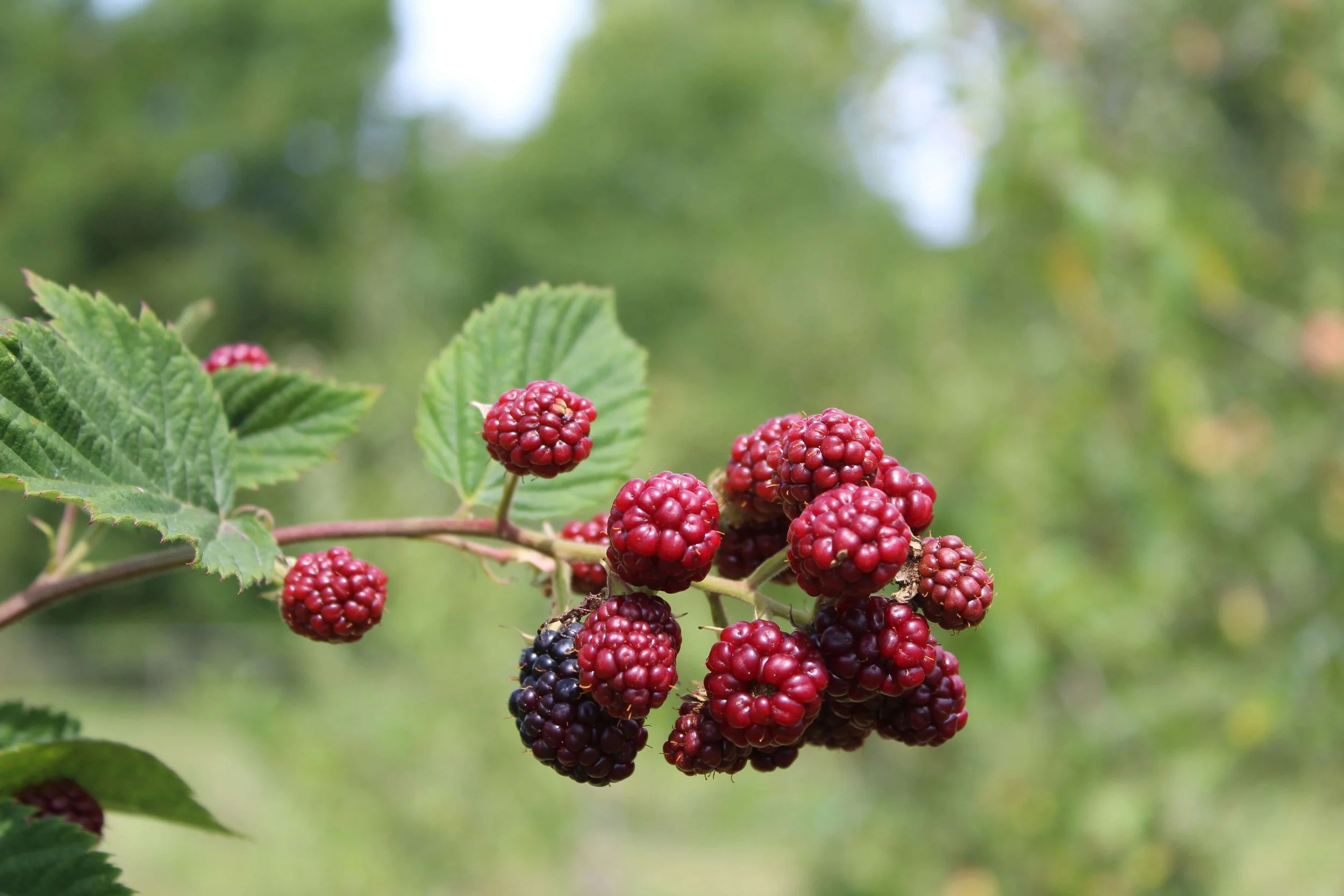
When my daughter Sophie was a baby, we moved into a cottage on the edge of a paddock. We had only one neighbour apart from the cows. The cottage was mouldy-old; the carpets were threadbare; the walls needed repainting. But there was a delightfully wild garden where my kids could play imaginary games and shout as much as they liked. And there was something else that was wonderful about living in that home: there were blackberry brambles over the fence in the paddock.
As the temperatures rose towards the end of each year, we’d watch those brambles, waiting for that fabulous moment when, buckets in hand, we could push open the gate in the sagging wire fence and start blackberrying. We ate as we picked and took the rest of our luscious berries home to turn into blackberry pies and crumbles.
One year, our blackberry supply ran out: a man arrived in protective gear and sprayed the brambles with weed killer. They were labelled foreign invaders, a pest to be eliminated, eradicated because they didn’t belong.
Blackberry brambles must belong somewhere. There must be places where they are allowed to grow and thrive; otherwise, we wouldn’t be able to buy blackberry jam and blackberry Danish lattice pastries, my husband’s favourite Sunday breakfast treat. They just don’t belong where we live, especially in the bush and in paddocks of cows.
I often ponder the idea of belonging. We all want to belong, don’t we? We have a deep inbuilt yearning for a place where we feel comfortable and at home, where we can be ourselves. But where do we find such a place?
Often, our need to belong leads us to hide who we are. We pretend to be who we’re not, conforming our behaviour to that of the people around us.
Sometimes we do this to be polite. We recognise we need to respect those we are with.
Other times, we conform so we’ll be accepted, because there are benefits to associating with people who are different from us. Do we put aside our differences and focus on our similarities?
But sometimes we might conform because of a lack of confidence. We see this all the time with kids. Children will copy the cool kids because they don’t have the confidence to be themselves. Maybe they don’t even know who they are away from the group.
It’s sad when we are too scared to be ourselves, isn’t it? We say and do things so that we can tell ourselves that we belong. But is this type of belonging an illusion? Does it satisfy our innermost yearnings? Does it feel like home?
Our homes can be places of belonging. Of course, they can also be places of pretending. We might not think we can be ourselves, even within our families. Instead, we must be who other people would like us to be. And that’s sad, isn’t it?
We encounter many places in the bigger world where we don’t quite fit in. But we should always be able to come home and know without a doubt that we belong. We’re accepted. We’re valued. We’re sources of awe and delight. We are loved for who we are.
We no longer live in that old cottage alongside the paddock. Many years ago, it was demolished. The cows disappeared, new houses took their places, and we moved to a home alongside the bush. A different house, but we all still belong. Because belonging places are mobile, aren’t they? They aren’t made of bricks, wood and tiles. They don’t depend on location. Belonging places can be taken anywhere.
One of my kids once said as we moved our big family into a tiny, dilapidated dwelling on a drought-affected bush property, “We can make a home anywhere. As long as we’re together.”
And as I said, “Home is where we experience unconditional love.” It’s that kind of love that our hearts yearn for, isn’t it? It makes us feel we belong.
So, what do you think?
Do you ever pretend or keep quiet to ensure other people accept you?
Are there times when conforming is the right thing to do?
Can our kids and we be ourselves within our families?
And do we all need an unconditional place of love and belonging that we call home?