At the beginning of July this year, our dog, Nora, was diagnosed with lung cancer, and as I absorbed this unwelcome news, trying to come to terms with it, I thought about love and grief.
I’ve been by the side of my son, my father, and three cats as they’ve left this life. Every occasion has been painful. But it’s also been an honour. Is there anything more loving we can do than be with a person or pet at this sacred moment?
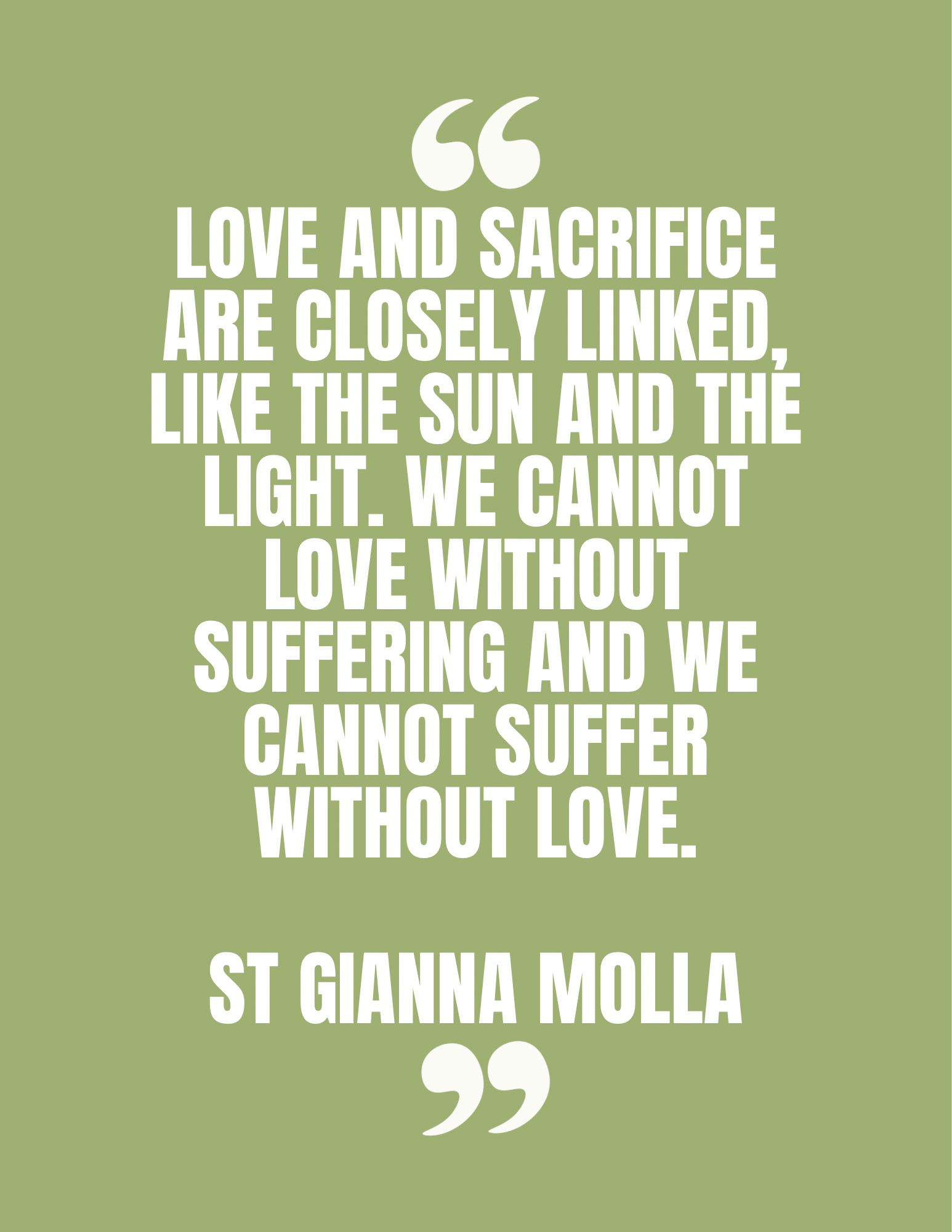
Accompanying someone through their suffering is far from easy. We don’t want to see them in pain, and our hearts hurt as we anticipate saying goodbye. Love and pain are woven together, aren’t they? We can’t have one without the other. As one increases, so does the other.
I’ve been pondering Jesus and His suffering. Think of how much He loves us. He loves us as the Father loves Him.
As the Father has loved me, so have I loved you; abide in my love.
- John 15:9
That amount of love is beyond our comprehension. When Jesus suffered for us, His pain must have been unimaginable.
After Nora’s diagnosis, I anticipated another painful loss.
Life is a series of losses, isn’t it? We think we’re in control until something unexpected intrudes upon the happy and carefree life we try to organise for ourselves. These thoughts led to this story.
L I F E I S A S E R I E S O F L O S S E S.
We lose things. We lose arguments. Despite fighting to hold on to them, we often lose our ideas and opinions. Jobs suddenly disappear. So do children, youthful looks, and our health. We say goodbye to people we love, sometimes temporarily, sometimes permanently. Our cats die, and we realise that maybe we loved those furniture-scratching creatures after all. And we lose our deeply loved dogs.
We must let go of one thing after another. However tightly we grasp, there’s nothing we can do. Things slip out of our fingers. They go. And we find this hard to accept. We keep fighting to stay in control. Why? Perhaps we want to believe that if only we try hard enough, we won’t suffer loss; we won’t experience pain.
Even when we fail to direct our lives as we desire, do we hope it’ll be different for our kids? Perhaps if we educate them rigorously, expose them to as much knowledge as possible, train them in good habits, and anticipate everything they might encounter in the future, they’ll get secure jobs, find spouses to love, buy beautiful homes, and have happy-ever-after lives with no difficulties, no losses. We imagine patting ourselves on the back and saying, “It was difficult, and there were moments when I wanted to give up, but I held on until the end.” We can be proud of our kids. And ourselves. A job well done.
But I know that’s not how life works because I’ve tried eliminating the conditions that lead to unwanted situations. It just isn’t possible. This makes me wonder why we are so concerned about security. Why is that our number one goal? Wouldn’t it be better to raise and educate our kids to handle unpredictability and loss rather than promise them safe futures?
How would we do that?
In a world where anything could happen, our kids need one constant that we have total control over: our unconditional love. They can lose anything, but we must make sure they don’t lose our love.
Our kids must see how we deal with a life that won’t always go our way. Do they see us grasping tightly, refusing to accept we aren’t in charge? Or do they know we trust and have handed control to the One who never changes and who makes sense of every loss: God?
So, we can give our kids the impression that their lives ahead will be smooth and problem-free if only they work hard, cover all bases, and stay in control.
Or we can be honest: things won’t always happen as they might hope, but everything will be okay if they place themselves in God’s hands and trust His plan, not theirs or ours, for their lives.
Nora died on 4 August 2026. I was by her side as she slipped away from life, my hand on her soft, greying coat. My heart ached. It still does. The grief was as deep as I’d imagined it would be.
So, my beautiful dog has gone. But love remains.