Obstacles to Unschooling
In last week’s podcast, I asked the question: What’s stopping you from unschooling? And then I pondered some of the obstacles that might be holding people back from giving unschooling a go.
After the podcast was published, a friend asked if I’d transcribe it into some blog posts. So that’s what I’m doing.
Maybe there are some people who have investigated unschooling. They like the idea BUT… What is holding them back? A couple of things held me back when we first started homeschooling, so I’m going to tell you, very briefly, our unschooling story.
This is our 24th year of homeschooling, so we’ve been homeschooling a long time. We started as unschoolers. I knew somebody who was unschooling, and I heard this phrase: love of learning. I wanted my children to love learning too. This sounded the perfect way of homeschooling. I only knew one other way of homeschooling at that time, and that was school at home, and that didn’t sound very exciting. I didn’t see how that would inspire a love of learning in my children.
So we began homeschooling as unschoolers. The only problem was I didn’t really understand the process very well. I thought that a parent had to stand back from a child. She had to give him complete freedom to learn on his own. I thought that a parent couldn’t have a part in her child’s education. She couldn’t offer any suggestions. She had to stay hands off.
I probably cheated a lot in the early days. I slipped in a few books I liked and told my kids about things that I wanted them to know. But one day, I owned up to the fact that I was doing this. And I do remember a day when I thought about Shakespeare. Now I like Shakespeare, and I was thinking: How are my children ever going to stumble across Shakespeare all on their own if I don’t tell them about it? This might be something they’ll really enjoy, and they’ll never hear about it unless I offer them the opportunity to learn about it. If I tell them what Shakespeare is about and share a play, then they might like Shakespeare just like I do.
So one day I decided we wouldn’t be unschoolers any more because this was more important to me than anything else: I didn’t want to unschool if I couldn’t share with my children.
Of course, I got it all wrong. Unschooling is about sharing with our children. What I was doing was strewing, and that is totally acceptable. It’s what we should be doing. Learning ourselves, and enriching our children’s lives with resources. Saying to them, “Hey, would you like to watch a Shakespeare play with me?” That’s all very, very acceptable. But I didn’t realise this at the time. I thought I was cheating so I couldn’t call myself an unschooler.
So we went off down other tracks. I heard about Charlotte Mason, the classical way of doing things, and unit studies. I tried all these methods out on my children, one by one, and sometimes we went round in a circle, and we tried them a second time. Sometimes I enjoyed doing this. It was more about me, I think, than my children. For example: Would I enjoy teaching my children the Charlotte Mason way? I forgot to listen along the way.
We got to the stage where our relationships were suffering. I was making my children do things I thought they should do or things that other people told me they should do. And my children were protesting. They didn’t want to do them, and so we would battle. It got to the point where, one day, I thought: Is it worth it? I could see that we weren’t happy with each other anymore. And so gradually, I threw things out, one by one. I dropped things that were making us particularly unhappy. I stopped doing any particular method of homeschooling. And gradually over time, we found a way of homeschooling that suited all of us.
When anyone else asked us, “What sort of homeschooling do you do? What method do you follow?” I would just say, “We do our own thing.” I’d add, “A bit of this, a bit of that, lots of reading.” That’s all I would say. What I didn’t realise was that our ‘own thing’ was actually unschooling. We’d gone the full circle. We’d come back to unschooling, but this time, I understood the process, I just didn’t know that it was called unschooling,
So that’s a little bit about how we left unschooling and returned to unschooling.
My obstacle to unschooling, what was stopping me from unschooling, was a lack of knowledge. I didn’t understand the process very well. Some things sounded good to me, and some things didn’t. But they didn’t sound good because I didn’t understand completely what unschooling is about.
So I wonder if there are things about unschooling that bother you, It can be a useful exercise to think about what it is that’s stopping you from unschooling. Write it down. It might be that those things which you don’t like about unschooling aren’t really unschooling at all. With a little bit of information, some research, you might discover that they’re not obstacles at all.
Where should we look for information about unschooling? What sources can we trust? In Part 2, I will share some thoughts about this.
This transcription comes from Episode 57 of my podcast: What’s Stopping You From Unschooling?
(Of course, being a transcription of a conversation, this post isn’t as well constructed as it could be.)
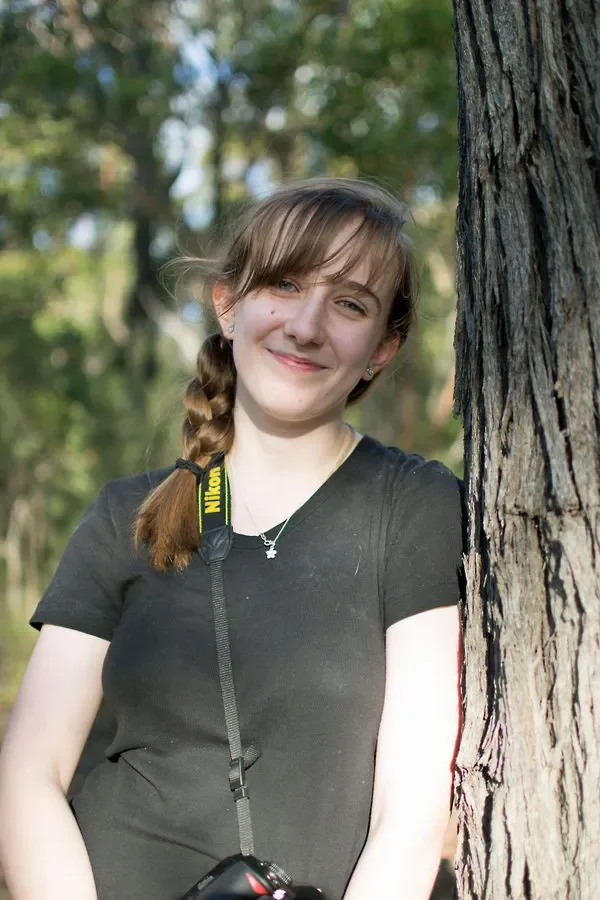
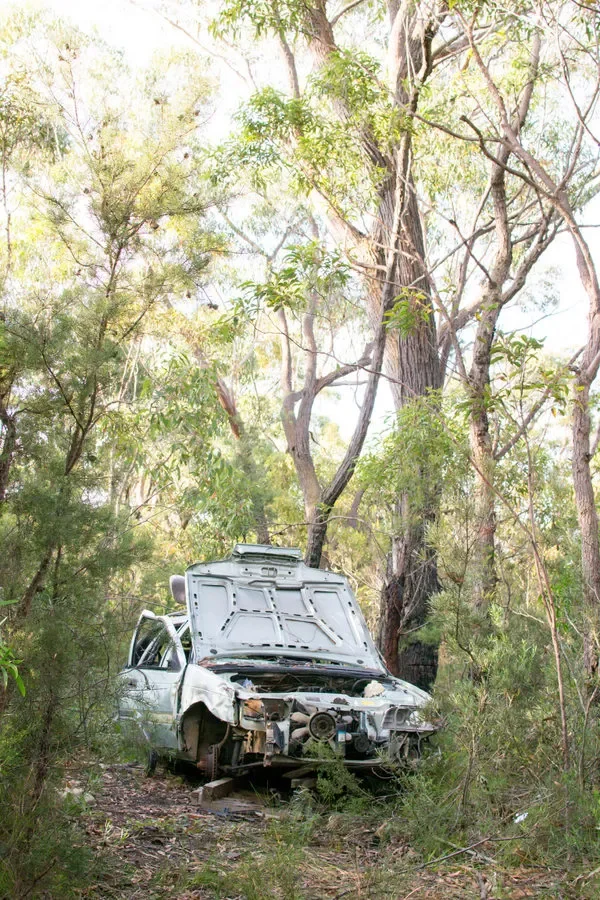
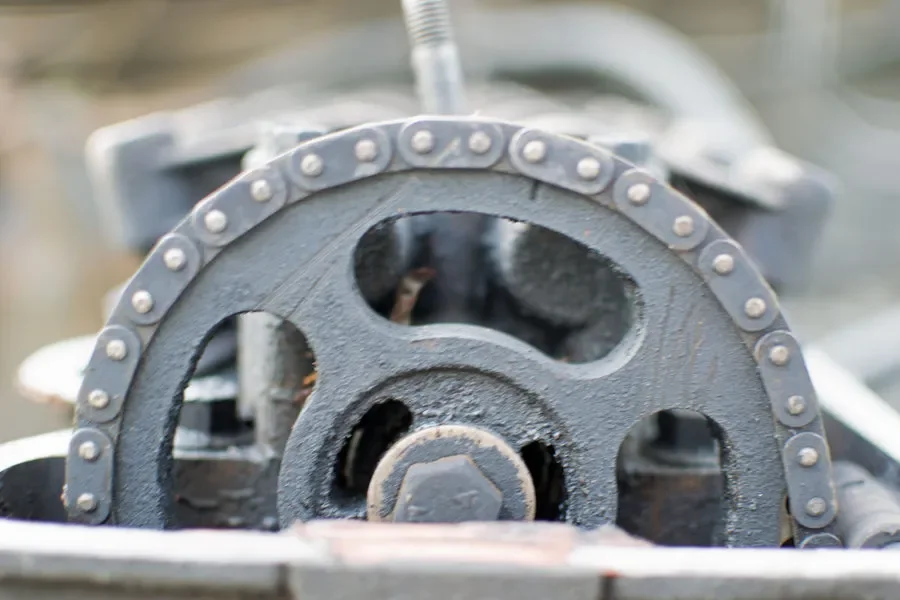
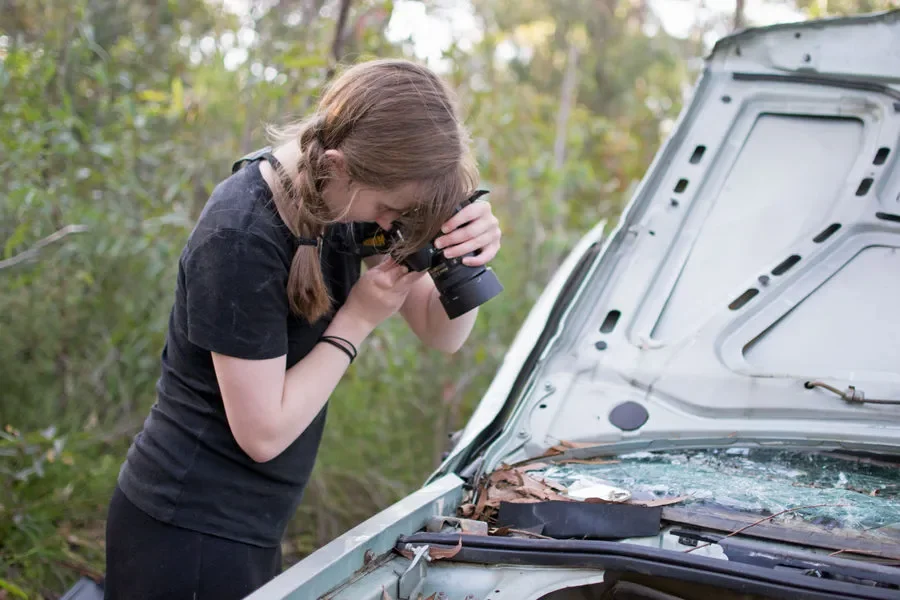
The other evening, after dinner, I took a walk with my daughter Sophie. We headed down to the bush with our cameras (and the dog). And along a side trail, under a tree, we discovered an old abandoned car. At first glance, it looked like a huge piece of junk. On closer examination, we discovered it was a wonderful photo opportunity.
Sometimes things aren’t what they first appear to be. We need to look more carefully. If we do this, we might discover an unexpected treasure.
Maybe it’s the same with unschooling. It might not be what we think it is at first glance. If you’re unsure about unschooling, could it be worth taking a closer look?