Unschool: Babies and Perfect Love
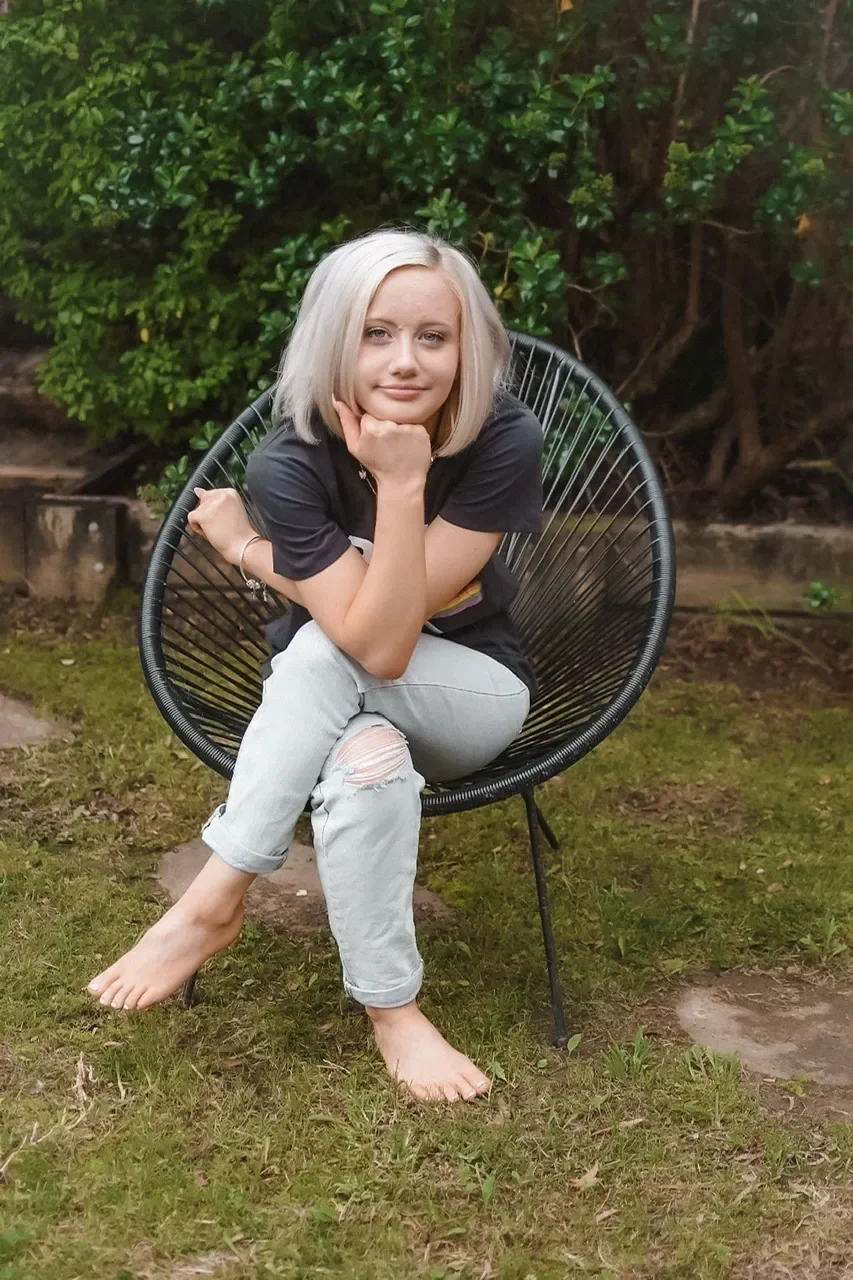
Perfect Love and Gratitude
I tell my daughter about the night she was born. I say, “It was love at first sight. I thought you were absolutely perfect.”
On my youngest daughter’s birthday, I tell her the story of the night she was born, as I do every year.
“It was a warm summer’s evening, and I was relaxing on the sofa, watching a TV program about archaeology – it wasn’t particularly interesting – when everything began,” I say. “I continued watching for a while before saying to Dad, ‘I think it’s time to go to the hospital.’” I smile as I remember how Andy jumped up, grabbed my bag and elbow and rushed me to the car.
”When we got to the hospital,” I continue, “the midwife said there was plenty of time. There was no need to call the doctor just yet. I was afraid she would send me home, but she didn’t. She suggested we have a rest.” I describe how a nurse found a mattress, a couple of pillows and a blanket and made a bed on the floor of the patients’ waiting room. “Dad lay down and said, ‘Are you joining me?’ and I said, ‘No, I don’t want to go to sleep.’” Moments later, Andy was fast asleep, leaving me wide awake and feeling very frustrated. How could my husband go to sleep when I was about to have a baby?
“Before long, I had to wake Dad up,” I say to Gemma-Rose. “‘It’s time!’ I announced. The midwife was surprised to see me reappear at the nurses’ station.” She was even more surprised when our daughter was born only minutes later. The doctor didn’t make it to her birth. By the time he arrived, I had our baby in my arms.
I tell Gemma-Rose how I’d felt when I saw her: “It was love at first sight. I thought you were absolutely perfect.” It was a magical moment full of awe, gratitude and pure love.
Losing the Magic
But the magic doesn’t always last, does it? It’s easy to lose the unconditional love and acceptance we had for our kids. Is that because we begin to see faults and flaws in our children? We might start to criticise and complain. Our perfect babies turn into problems we think we need to solve.
I wonder why our feelings towards our precious kids change. Perhaps it’s because we have preconceived ideas of who our children should be and feel disappointed when we discover they aren’t as we imagined. Or do the expectations of our family and friends influence our feelings? Do we worry about our kids’ futures and wonder if they’ll fit into the world if they remain as they are? Do we see what we think are faults in our kids and want to eliminate them? Maybe we believe that’s our duty.
Although we might label some of our kids’ character traits as faults when they’re not, we all have genuine flaws we need to overcome. So, is it wrong to think of our children as perfect? Perhaps they’re perfect in an imperfect way.
We should look at our gorgeous newborn children with awe and expectation. Who are these children? What are their purposes in life? Where will they go? What will they do? How will they change the world? How will they change us?
Our role isn’t to criticise and complain but to love our unique and wonderful kids unconditionally, trusting they’ll become the people God created them to be. They’re perfect because God never makes mistakes.
Unburying Our Love and Awe
So, how do we regain that perfect wonder and awe? How do we push aside everything that prevents us from seeing our kids clearly and unbury the perfect acceptance we once had for them?
We could start by telling our kids their birth stories. Of course, I don’t mean we should share a painful contraction-by-contraction account of our labours. We could focus on the more interesting details: where we were, the season, what day of the week it was, what we were doing… Most importantly, we could tell our children how we felt when we met them for the first time.

I continue the story of Gemma-Rose’s birth: “I loved you so much even before I saw you. I felt so fortunate. I kept thinking, I’m the mother of this gorgeous child! ” I want my daughter to know I still feel that way.
Things You Could Do
You could do Challenge 27 from my book, The Unschool Challenge: See Kids as They Really Are.
And you could read my stories, Perfectly Them and Unburying Our Love and Awe. You can find them in my book, Radical Unschool Love.
PS: I know that not all birth stories are happy. And some parents weren’t present at the births of their children because of adoption or other reasons. Our stories might be very different, but maybe they’re all connected in some way by a need for unconditional love.
So what do you think? Can our feelings for our kids be affected by our concerns, our own ideas and those of others? And can we return to where we began and regain that magical-early-days perfect love and acceptance?