Are You an Unschooling Troublemaker Like Me?
Some years ago, the education laws in Australia changed. The minimum school leaving age was raised from 15 to 17 to ensure that every child receives a better education. Well, that was the official reason for the change, but I suspect money was at the heart of the decision. But that’s another story! Today, I want to tell you about how I was labelled a troublemaker because of the changes.
All homeschoolers in our state were invited to meet with representatives from the education department to talk about the new law and how it would affect us because, of course, our kids would now have to be registered for two extra years. We weren’t happy about this. But our representative assured us that there was an upside. For the first time ever, our kids could receive registration certificates indicating they’d done the work for the final years of high school: years 11 and 12. All we had to do was provide homeschooling plans for those years that corresponded with the school syllabus.
The woman from the education department – I shall call her Olive – smiled and asked us if we had any questions.
I had a question: “What is stopping me from writing the required plan, having it approved by our Authorised Person at registration time, and then putting it in a drawer and forgetting about it? No one will return to check that my child actually used the plan, will they? As soon as we have our registration certificate we can do whatever we like.”
Olive stared at me for a moment. Then she said, “I can see you’re a troublemaker.”
“I’m not trying to be difficult,” I said. “I’m just trying to understand. I was wondering if I missed something.”
I hadn’t missed anything at all. I’d noticed a flaw in the homeschool registration process. And that didn’t please Olive. She was no longer smiling. A troublemaker in the audience had spoilt her presentation. Had I made her feel uncomfortable?
We don’t like feeling uncomfortable, do we? But perhaps we should all be willing to feel that way. We have to ask questions that might lead us out of our safe zones.
We can question other people who disagree with us. Make sure we understand their position. We might learn something. Or perhaps we’ll expose errors in their thinking.
And more importantly, we should ask ourselves questions. What we believe might feel safe, but could it be wrong?
Of course, asking questions could get us into trouble. Some people might not like being questioned. Even if we’re careful with our words, they could get defensive and upset. They might label us as troublemakers.
And we might make trouble for ourselves if we question what we believe. Because if we realise our ideas are wrong, we will have to make some changes and that could be frightening.
In my story, Unlearning What We’ve Learnt About Education, from my book Curious Unschoolers, I said:
I’ve had times in my life when other people have presented me with new ideas, and I haven’t wanted to know about them. I hear what they’re saying, but I don’t want to consider the ideas too deeply. Why would I do that? Isn’t it good to be challenged, to learn and to grow?
Sometimes being challenged makes us feel very uncomfortable. What if we decide our beliefs or our actions are wrong? We might have to change. Change pushes us out there into the unknown. We lose our place of security. Of course, we might find something a whole lot better, but that doesn’t always make the first step any easier.
As well as losing our security, accepting new ideas might involve admitting we’ve made mistakes. If these mistakes are associated with our children, it’s even harder. We might not be able to bear the thought that we haven’t done as well as we could.
So what do we do? Do we refuse to engage in any challenging discussions? Do we close our eyes and continue on as normal?
I have found that with time, the challenging ideas begin to nag at me, regardless of my refusal to consider them. I find them creeping into my thoughts at inconvenient moments. And then one day, I’m ready to listen. So maybe it’s quite okay to go slowly. We don’t have to accept new ideas all at once. We can continue to ponder for as long as it takes.
But when we are ready to accept new ideas, exciting things could happen. Imagine where we might end up!
Some Extra Things
After talking about new ideas and how they can make us feel uncomfortable in the story, Unlearning What We’ve Learnt About Education, I listed many questions including these ones:
Do children have to do things they don’t like so that they are prepared for the ‘real’ world? Perhaps kids should be forced to learn things they’re not interested in, even if they don’t retain the knowledge because it’s good for them? Or do children decide for themselves to do things they don’t particularly like? Could they actually be capable of working hard at difficult tasks that aren’t necessarily pleasant?
I then addressed these questions and many others in the rest of my book Curious Unschoolers.
I also discussed some of these questions with my daughters, Imogen and Sophie, in podcast episode 11: Should a Child Be Given the Freedom to Choose.
I turned that episode into a blog post called Unschoolers Talk About Freedom to Choose.
Photos
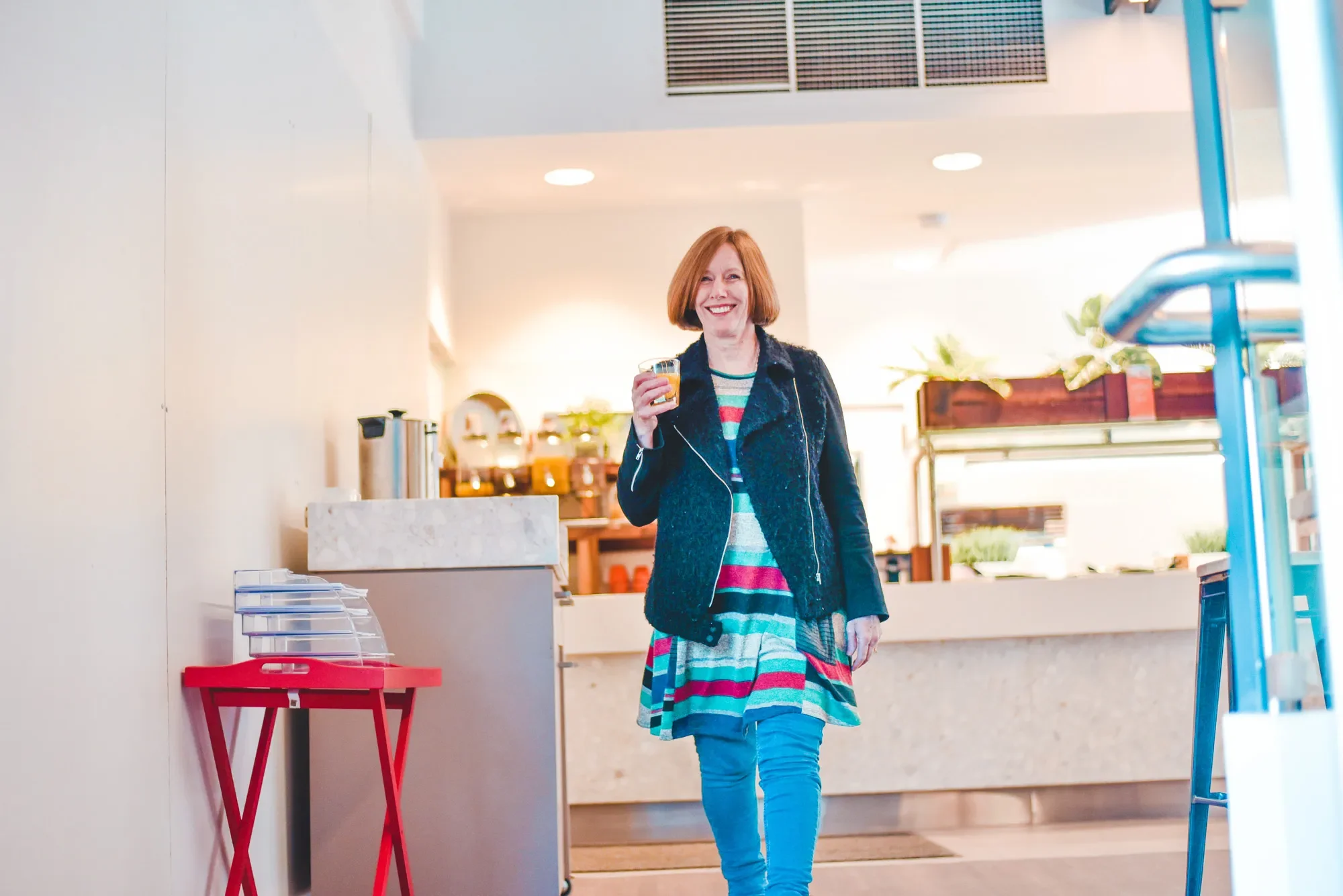
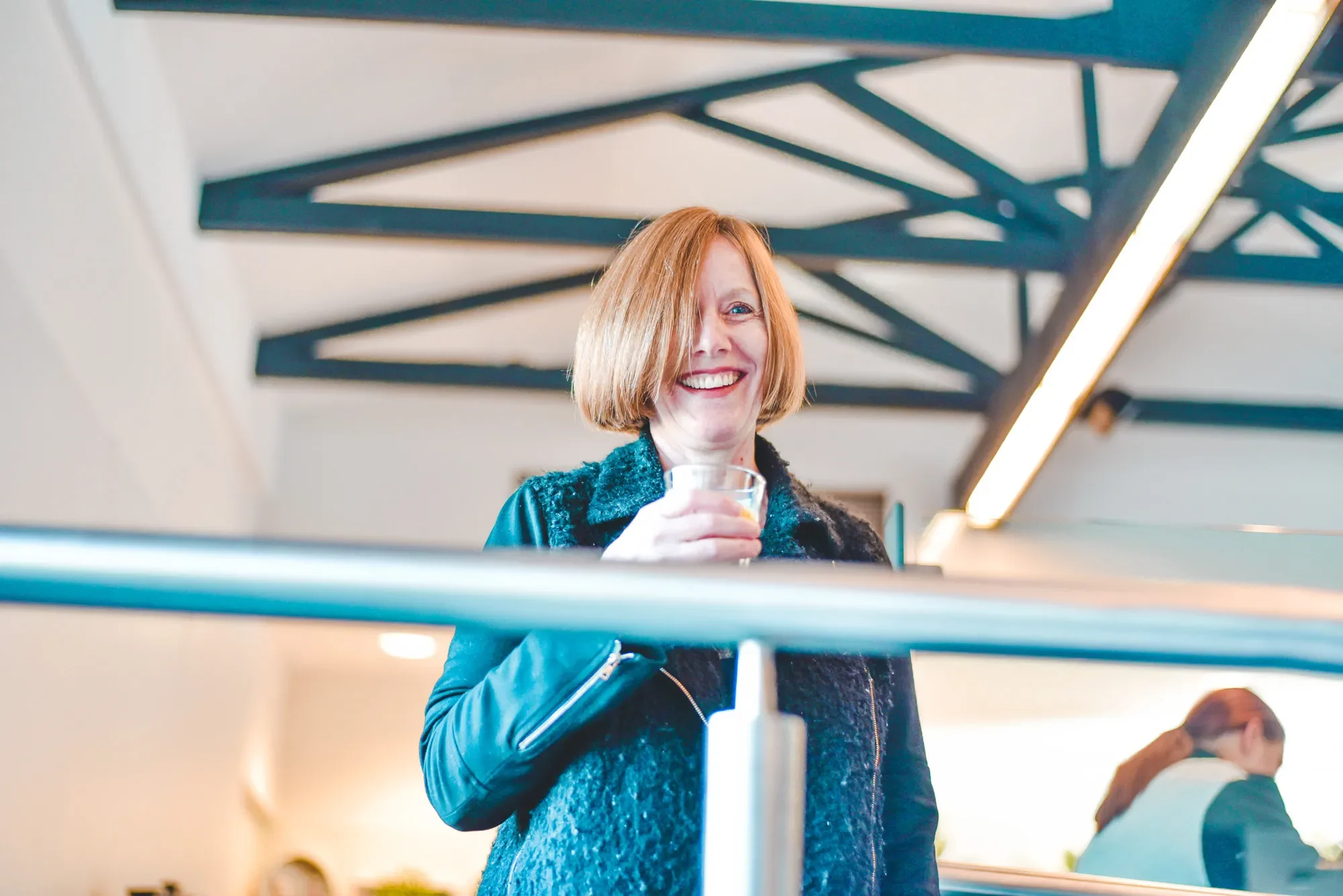
Sophie took these photos of me when we visited Canberra to talk about unschooling. I wonder what everyone at the meeting thought of me. Did they think that I look like a troublemaker? Do you?
So, do you have any questions about unschooling? Are there things that you’re not comfortable with that you need more time to ponder? And have you ever got into trouble by asking a question? Are you an unschooling troublemaker like me?