Falling in Love the Jane Austen Way
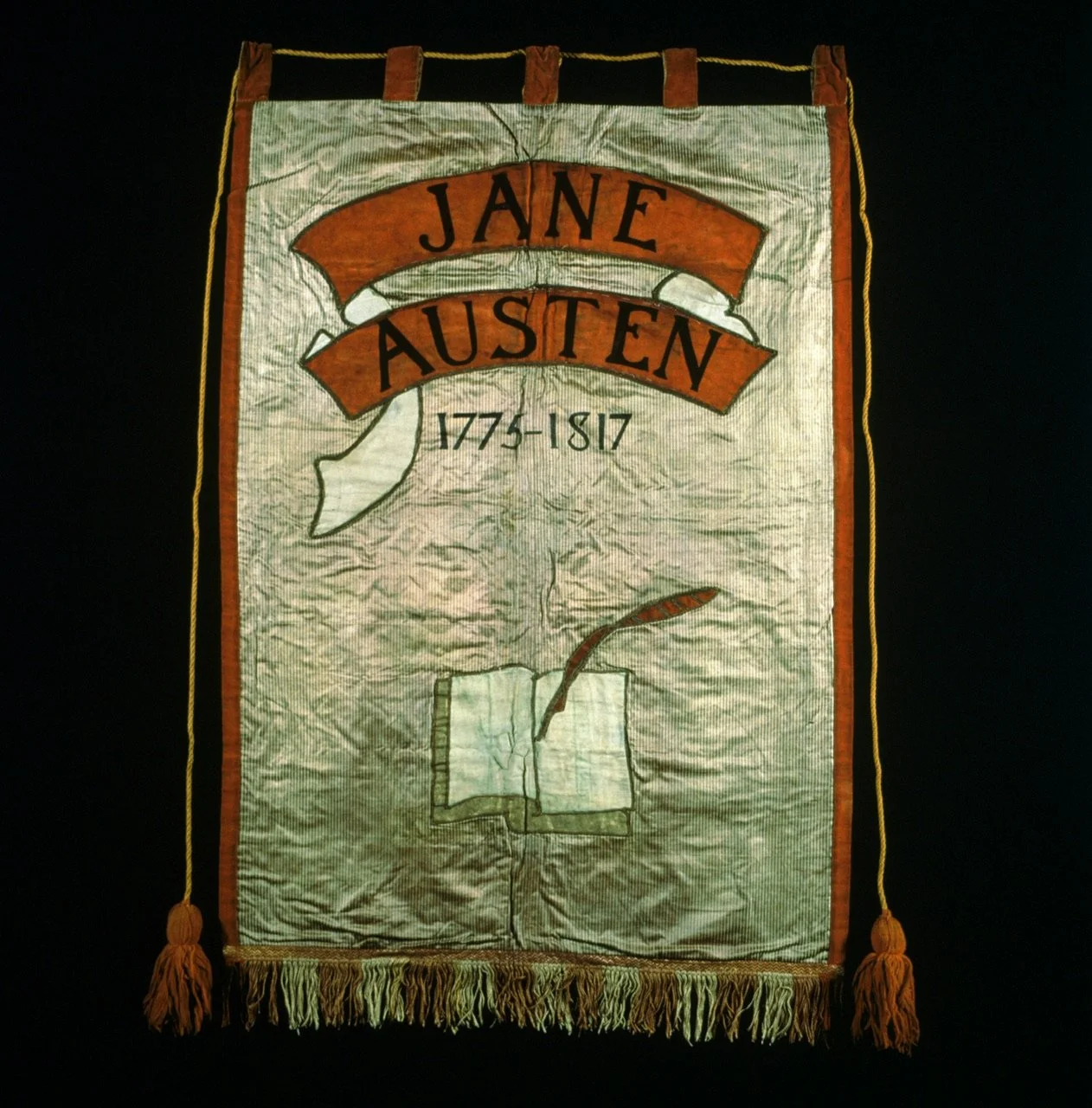
My older girls are busy introducing their younger sisters to the delights of Jane Austen.
“You must watch Persuasion,” insists Imogen. “I’ll explain all the difficult bits,” she adds, as she notices the uncertain look on nine year old Gemma-Rose’s face.
So we settle down on the sofa, the DVD is inserted into the machine and soon we are immersed in a past world of gentle romance. An hour and a half later, everyone sighs with satisfaction, even Gemma-Rose, who didn’t need any help understanding the plot.
“We have to watch Pride and Prejudice next,” says Charlotte, “the long version.”
So for the next week we follow Elizabeth Bennet and Mr Darcy along their up and down path to true love and happiness. As the credits roll after the last episode, Charlotte sighs again and says, “That was so good!”
But I have a question for Charlotte. “Why do you like Jane Austen so much when it’s all about love and romance? You usually hate romantic movies.”
“Jane Austen is different. It’s not just about kissing.” She rolls her eyes. “I hate watching all that over-the-top love stuff on screen. All that kissing…”
“But kissing is good,” I protest. “It’s part of being in love. You’ll find that out one day.”
“It’s not kissing and love that’s wrong,” says Charlotte trying to explain.
“Love was different in Jane Austen’s day,” interrupts Imogen. “There was an etiquette that everyone followed. There were rules. You knew what to do and what to expect.”
“Yes,” agrees Charlotte. “Today, it seems when it comes to love, anything goes. And I don’t want to see all that.” I think of all those passionate on-screen declarations of love. I know what my third daughter means. Although we might like to experience all those swept away feelings, there’s more to love than wild embraces.
“It’s funny how Jane Austen wrote so much about love but never got married,” I observe.
“She had a chance to get married,” Imogen tells me. “I think she accepted a proposal and then changed her mind overnight.”
“Didn’t she decide not to get married because she wanted to keep her sister company, after her sister’s fiance died?” Charlotte asks.
The discussion about Jane Austen, her novels and love in Regency times continued.
Imogen and Charlotte have read all Jane Austen’s novels many times. Now that Sophie and Gemma-Rose have watched a few DVD productions, I’m sure their older sisters will encourage them to read the books as well. Imogen and Charlotte have also read many non-fiction books about Jane Austen’s novels.
Recently a friend told us about a new book my Jane Austen girls might like. I headed over to Amazon to have a look. Unable to resist buying an ebook version, I clicked a few times and then called out, “Turn on your Kindles, girls! I’ve sent you a new book.”
A couple of minutes later the girls were looking at the title: The Jane Austen Guide to Happily Ever After. The author is Elizabeth Kantor and the Amazon description begins like this:
Women today are settling for less than we want when it comes to men, relationships, sex, and marriage. But we don’t have to, argues Elizabeth Kantor. Jane Austen can show us how to find the love we really want…
Not having read the book myself, I don’t know if it is appropriate for fifteen-year-old Charlotte, who’s not exactly ready to contemplate love and marriage. But that’s not a problem. Charlotte has already decided she won’t dive straight into the book. Instead, she will wait for Imogen’s review and possible recommendation.
I remember another Jane Austen conversation my children had a few weeks ago:
“Imogen, if you were living in Jane Austen’s day, you’d almost be an old maid.”
“You’d be getting worried about finding a husband.”
“But I’m only 18. Anne Eliot was 27 when she got married. And I’m not as old as Elizabeth Bennet when she married Darcy. She was 20.”
“We could offer a dowry for you,” says a mischievous brother. “Someone might be tempted to take you.”
Or Imogen could just read The Jane Austen Guide to Happily Ever After, and then arrange her “own marriage by falling in love the Jane Austen way”.
That last quote comes from the Amazon book description. Now I am intrigued. What do those words mean exactly? I think I might just have to go and read the book and find out.
It’s Not a War of the Sexes: an Interview with Elizabeth Kantor at Nation Review Online