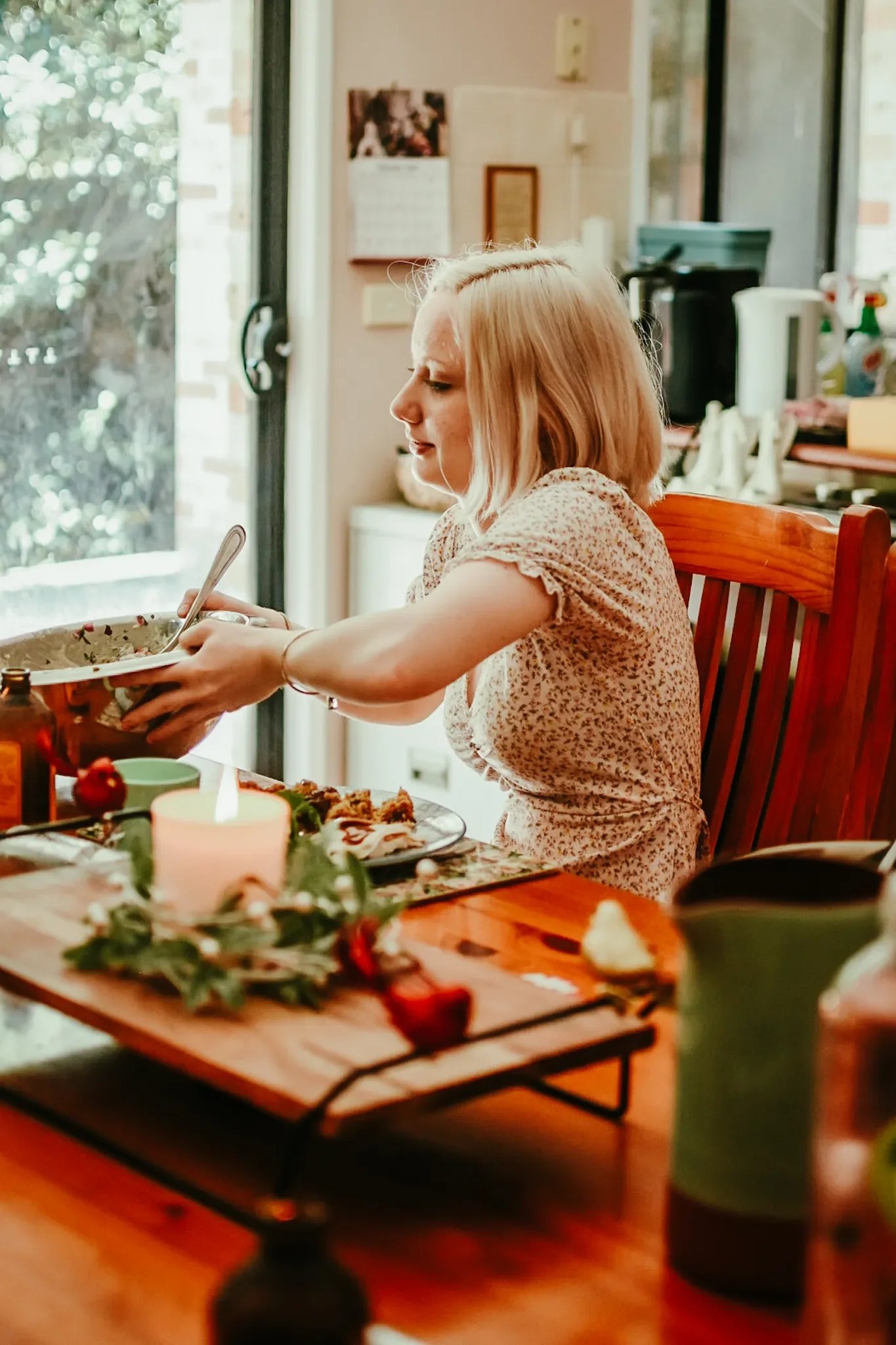
When you hear the words ‘real life maths’ or ‘real world maths’ what do you think of? Cooking? That’s the usual example, isn’t it?
“My kids did lots of real life maths today. They cooked a cake for morning tea.”
When my children were younger, they often made cakes and biscuits and even whole meals. And each time, I’d jot down some notes in our homeschool records notebook and label them as ‘maths.’
When I first started doing this, it wouldn’t take long for me to write my notes because, after I’d written about measuring and weighing and manipulating a few fractions, I ran out of ideas. What other maths skills were my kids learning about and using while baking and making in the kitchen?
Perhaps they were using some of these skills while cooking:
Quantity of ingredients
Weighing ingredients: mass, weight, grams and kilograms (pounds and ounces)
Different kinds of scales: digital, ones with pointers
Volume of ingredients: millilitres and litres, (fluid ounces)
Measuring cups, fractions: 1 cup, 2/3, 3/4, 1/2, 1/3, 1/4, 1 metric cup = 250 ml
Teaspoons and tablespoons: 4 Australian teaspoons = 1 tablespoon, 3 American teaspoons = 1 tablespoon
Measuring jugs: millilitres, litres, cups, and fractions of a cup
Number of cups or carrots or bananas: counting
Prepackaged food: weight of cans and dry packets: grams
Temperature
Oven: degrees Celsius, Fahrenheit , the descriptive scale including moderate, hot, fast, slow etc
Conversion from one temperature scale to another
Meat thermometer
Sugar thermometer
Fridge and freezer temperatures
Time
Digital and analogue clocks
Oven clock
Microwave clock
Recipes: cooking times in minutes, hours
Recommended storage times for different foods in fridge and freezer: days, weeks, months
Timers: digital and mechanical using seconds, minutes, hours
Cooking timer
Oven timer
Egg timer: sand
‘Best by’ or ‘use by’ dates of different foods: days, months, years
Seasonal foods: months
Food labels
Energy: calories, kilojoules
Fat, protein, carbohydrates, fibre, sodium content: grams per serve, grams per 100 g
Ingredients in order of greatest to least, percentages
Servings per package, serving size
Percentage of daily requirement of nutrients
Mathematical vocabulary
heavy, light, full, half-full, enough, too much, top, bottom, next to, flat, shape, rectangle, equivalent, divide, multiply, cylinder and many other words
Skills learnt from using recipes
Following instructions in order, modifying, predicting, experimenting, doubling, halving and other fractions
Shopping maths
Cooking doesn’t start in the kitchen. It begins with a shopping list and then a trip to the supermarket! Maths skills are needed here too. Here are a few examples:
Money: notes, coins, debit and credit cards, total cost, change, addition, subtraction
Prices: per item, per gram or kilogram or litre, sale items, percentages, comparison, estimation, best buy
Budgets, refunds, bulk buys
Food label maths
Of course, while my kids were cooking, they were learning about more than real life maths. They were also doing things that could be described as English, creative arts, personal health and development, science… Our conversations led to all kinds of rabbit trails, and we often ended up exploring history and geography too.
When my kids finished cooking, we always had lots of delicious food to enjoy. And I also had loads of notes for my homeschool records book!
How to record cooking maths in a homeschool notebook
Jot down any conversations
Make a list of mathematical skills used
Take photos of cooking in progress and the end results
Take photos of oven temperature, time on the microwave, egg timer, food labels, etc
Scan or take photos of recipes
Make cooking videos
Find online articles and infographics that match the skills that are being used and add them to your notebook
Find and include conversion charts for temperatures, weights and volumes
Photos
My grown up kids and husband spend lots of time in the kitchen cooking together. But these days, I no longer have to turn all the real life maths skills they’re using into homeschool records notes. All we have to do is enjoy the food!
Some More Unschool Maths
The following unschool maths stories can be found in my book, Curious Unschoolers:
My Older Children’s Maths Story
Giving Up and Letting My Kids Unschool Maths
Thinking About Maths Creatively
Disguising Maths Practice as Fun
The Problem with Real Life Maths Resources
Approaching Maths Backwards
Becoming Real Life Maths Detectives
Giving My Unschoolers a Maths Test
Making Kids Learn Maths Just in Case
When an Unschooler Isn’t Interested in Maths
Why not check out my unschooling book?
So, what other mathematical skills are kids learning while they’re in the kitchen? If you have some additional ideas, why not stop by and share them?