Tough or Unconditional Love? Parent or Friend?

Should we be firm with our kids, demanding they obey us, even if this causes conflict and unhappiness? Perhaps it’s our duty to remember who’s the parent and who’s the child and not be tempted to act as friends to our children. Is the tough love parenting method the most effective way to ensure our kids become responsible and good people?
Or should we love our kids unconditionally and connect closely with them? Does love and strong bonds result in secure and confident kids who want to do what is right without coercion? Can we be friends with our children as well as their parents?
Some years ago, after watching a viral video, posted by a friend on Facebook, I had a moment of doubt about how I was parenting my kids. I wondered: instead of connecting with my kids, showing them unconditional love and being friends with them, should I assume a position of authority, insisting they obey me? Should I practise tough love?
Tough love is the act of treating a person sternly or harshly with the intent to help them in the long run.
Bill Milliken described tough love through the expression, “I don’t care how this makes you feel toward me. You may hate my guts, but I love you, and I am doing this because I love you.” From Wikipedia
It didn’t take long for me to dismiss the opinions in the viral video, but I thought about them for a long time. Later, I wrote the following story that can be found in my book, Radical Unschool Love.
Can We Be Both Parent and Friend?
I’m scrolling through my Facebook feed when I see a link to a parenting video titled something like Be a Parent and Not a Friend to Your Kids. So being a curious person, I take a look. And after I’ve viewed the viral video, I am again struck by how differently I think about parenting compared to the friend who shared the link and many other people.
Just for a moment, I wonder: are they right? Is it not possible to be both parent and friend? Perhaps I’ve got it all wrong. Surely, I need to do my parental duty and demand obedience from my kids? It’s good for them. They need to respect me and do as I ask straight away, no questions allowed. Yes, they’ll be plenty of time to be friends with my kids when they’ve grown up. Right now, I need to be a parent.
Of course, I only turn these thoughts over in my mind for a very short time. But I’m guessing a lot of parents are watching this video and seriously considering the ideas presented by the vlogger. She’s saying something they want to hear:
Parents take back the reins. Forget all this being friends stuff. Show some tough love. It doesn’t matter if our kids protest and say such things as, “I don’t like you!” Hey, parenting isn’t a popularity contest. Take control. The battle is on, and we’re going to win.
There was a time years ago when I just wanted my kids to obey me. I’d had enough of encouraging, bribing, threatening, explaining, begging, or turning everything into a game to get them to do what I thought was right. I was tired. I just wanted to shout, “I’m the parent, and you’re the child. Just do what I say!”
Is there anything wrong with doing this? If we shout loud enough, perhaps our kids will actually do what we want. Maybe it’s good for them to be obedient. They’d be showing respect to us and learning self-discipline at the same time, wouldn’t they? Perhaps we’d be doing our kids a favour by training them.
Training them? Those words remind me of our puppy, Quinn. My daughter Gemma-Rose is training her. She demands obedience of the dog. She says, “Sit!” and Quinn lowers her back end, her velvet soft Shar-Pei skin puddling around her Great Dane bottom.
But do kids need the same kind of training as dogs? Instead of being obedient to our commands, surely it’s better for them to choose to do what is right? And how will they ever learn to do that if we’re always telling them what to do, no questions allowed?
Whenever we say such things as “Just do it!” or “I’m the parent!” or “I don’t want to hear another word!” we close down the lines of communication between our children and us. We erect a barrier. We break all connections.
Why are connections so important? When we are connected with our kids, we are the most important people in their lives. They feel loved and respected. They trust us. When they need guidance, they look to us for our opinion. They come to us when they need help. And it’s very likely that our connected kids will adopt our values and beliefs, the ones that we sometimes get so anxious about sharing with them.
Working on our connections might take a lot more effort than saying, “Do it, right this minute!” But surely it’s worth it? Don’t we all want to have strong bonds with our kids? It’s these bonds which allow us to be both parent and friend.
Real friends accept us as we are. They don’t criticise but instead encourage and support us. They like spending time with us and sharing our interests and involving us in theirs. They cheer us on. They make life fun. They listen when we need to talk and help us through the difficult times without taking over. We can open up and say anything to good friends. They respect us. They trust us.
Everyone needs a good friend. If we’re not willing to be friends with our kids, they’ll go looking for a friend elsewhere. Someone else will take the place that should be ours.
“Hey, Sophie, what do you think of this: ‘We can be friends with our kids later when they’ve grown up’?”
“Parents can’t suddenly turn around and tell their kids that they’re now ready to be their friends,” says my teenage daughter. “It doesn’t work like that. And even if it was okay, think of all those lost years.”
Yes, years we could have enjoyed being friends.
So can we be both parent and friend to our children? I know we can.

Stories about Connection from Radical Unschool Love
In episode 165 of my podcast, I read the story, Can We Be Both Parent and Friend? I also sharethe following stories from my book, Radical Unschool Love:
A Teenager’s Thoughts
Learning Right from Wrong
Developing a Sense of Right and Wrong
One-on-One Times
The mother in the viral YouTube video I mentioned in my story, Can We Be Both Parent and Friend?, talked while sipping a glass of wine. She was also digging into a family-sized bucket of ice cream. Earlier this year, I thought about the wine and ice cream. Were they significant? Were they part of the mother’s parenting story? After more pondering, I wrote another tough love post:
Sharing the Ice Cream and Rejecting Tough Love
There’s a woman on YouTube who sips wine from a large glass while digging into a family-sized bucket of ice cream. She has some advice for parents. Her message goes something like this: Parents take back the reins. Forget all this being friends stuff. Show some tough love. It doesn't matter if our kids protest and say such things as, "I don't like you!" Hey, parenting isn't a popularity contest. Take control. The battle is on, and we're going to win. I’ve written about this woman ...
What Others Are Saying About Tough Love
Gentle Parenting Isn’t Meant to Be Easy by Sarah from the Happiness is Here website
I hear all the time ‘the problem with kids these days is that their parents aren’t tough enough/don’t smack them/want to be their friend/don’t punish them enough’. Apparently if a kid isn’t behaving the way we want them to the answer is the be tougher on them. And if you don’t agree with that, well you brought it on yourself!
I completely disagree! I don’t think the answer to any difficulties you may have with your children is a bit more ‘tough love’. No, I can’t see how putting more distance in your relationship and disconnecting from your children is helpful. The answer, in my opinion, is the opposite. To connect more.
Top 10 Respectful Parenting Books I Love by Hayley from the Taking a Kinder Path website
… I hope you’ll be inspired to check out at least some of the books on this list.
They might just change your life, they did mine
To begin with, I had some trouble finding parenting books. At least, parenting books I love.
I found plenty.
But they weren’t what you’d call kind, relationship-building, or even love-inspired.
A little too much of the tough love, cruel to be kind vibe going on. I share more about this frustration in my journey to taking a kinder path…
Tough Love by Jan Hunt from The Natural Child Project website
Punishment, threats, and humiliation never achieve long-term goals because they provoke anger, create resentment, and diminish the bond between parent and child. Punishment interferes with the child’s opportunity to learn from direct experience, which ideally should be unencumbered by fear and pain. As the educator John Holt warned, “When we make a child afraid, we stop learning dead in its tracks.”
Children: Do We Get It? by Jan Hunt from The Natural Child Project website
While everything in life offers a learning experience, adversity can best be handled by those who have gained self-esteem, self-acceptance, and optimism through earlier experiences of encouragement and success. As the educator John Holt wrote, it is our store of happy experiences, operating like “money in the bank”, that best prepares us for difficult times.
Are Doubts as Bad as We Think?
In my story, Can We Be Both Parent and Friend? I shared a moment of doubt. Doubts are very inconvenient, aren’t they? They unsettle us. We begin to worry we’re on the wrong path. Should we change course? We don’t like doubts. But what if we looked at them in a different way? What if we recognised that doubts are opportunities to grow, learn and deepen our commitment to unschooling?
Here’s something I once wrote in a story, Step-by-Step Acceptance:
There are loads of things in life that need step-by-step pondering and acceptance, aren’t there? How about unschooling? We might declare to the world that we’re unschoolers. We’re confident, and we completely accept this way of life. Then one day, we realise that we’re not fully comfortable with it, after all. We look around, wondering if we should try something else. Because if unschooling is really for us, we would never have any doubts, would we?
But what if we accept that pondering anew is okay? It never hurts to think about things. Each time we pause, we take a closer look at our kids and ourselves. We think more about the people and things that are important to us, and examine our lives which are wrapped up with unschooling. We always learn something new. Then we might continue on, having deepened our commitment to this way of life.
Podcast Version of This Post with Extra Content
Photos
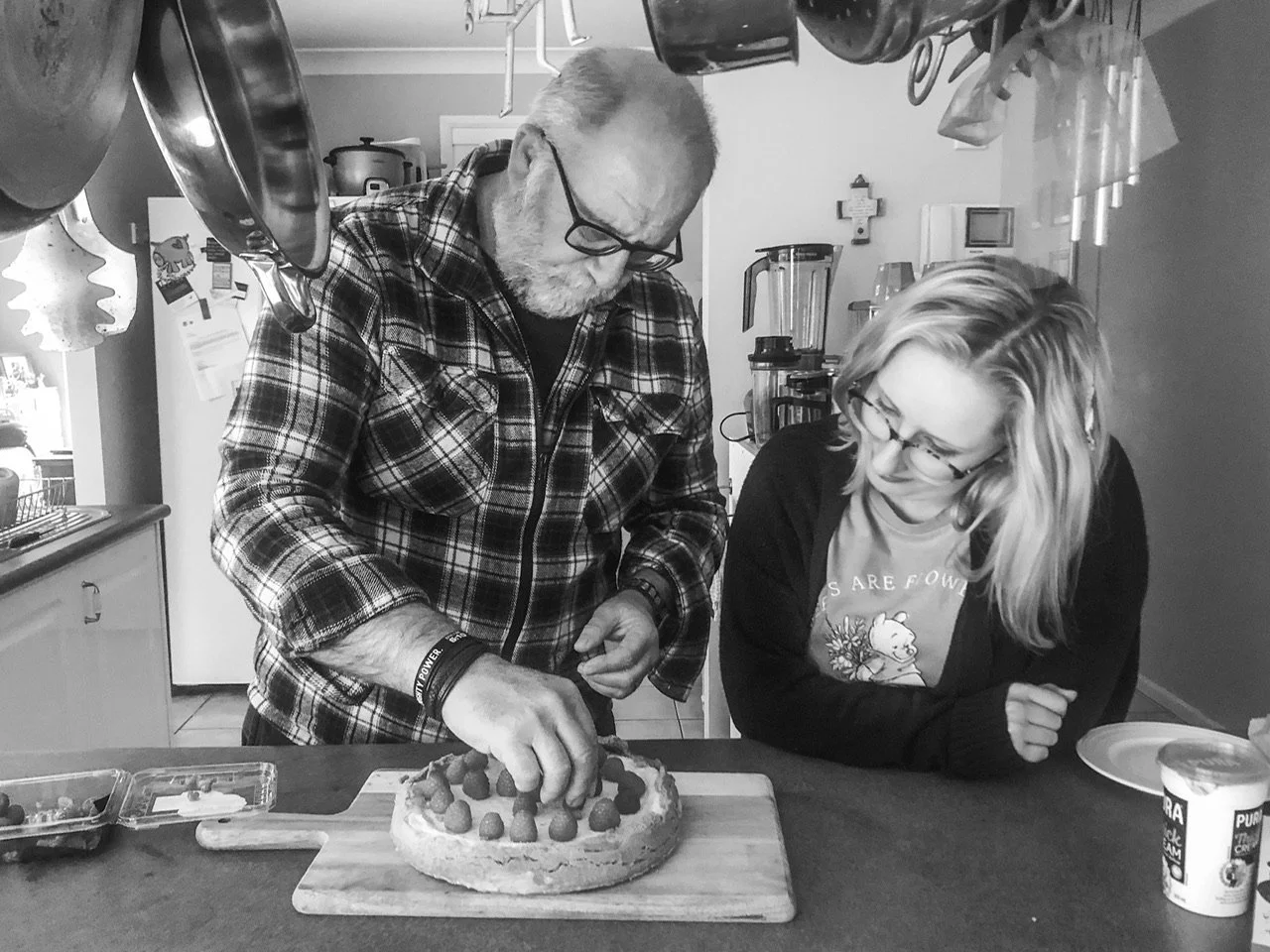
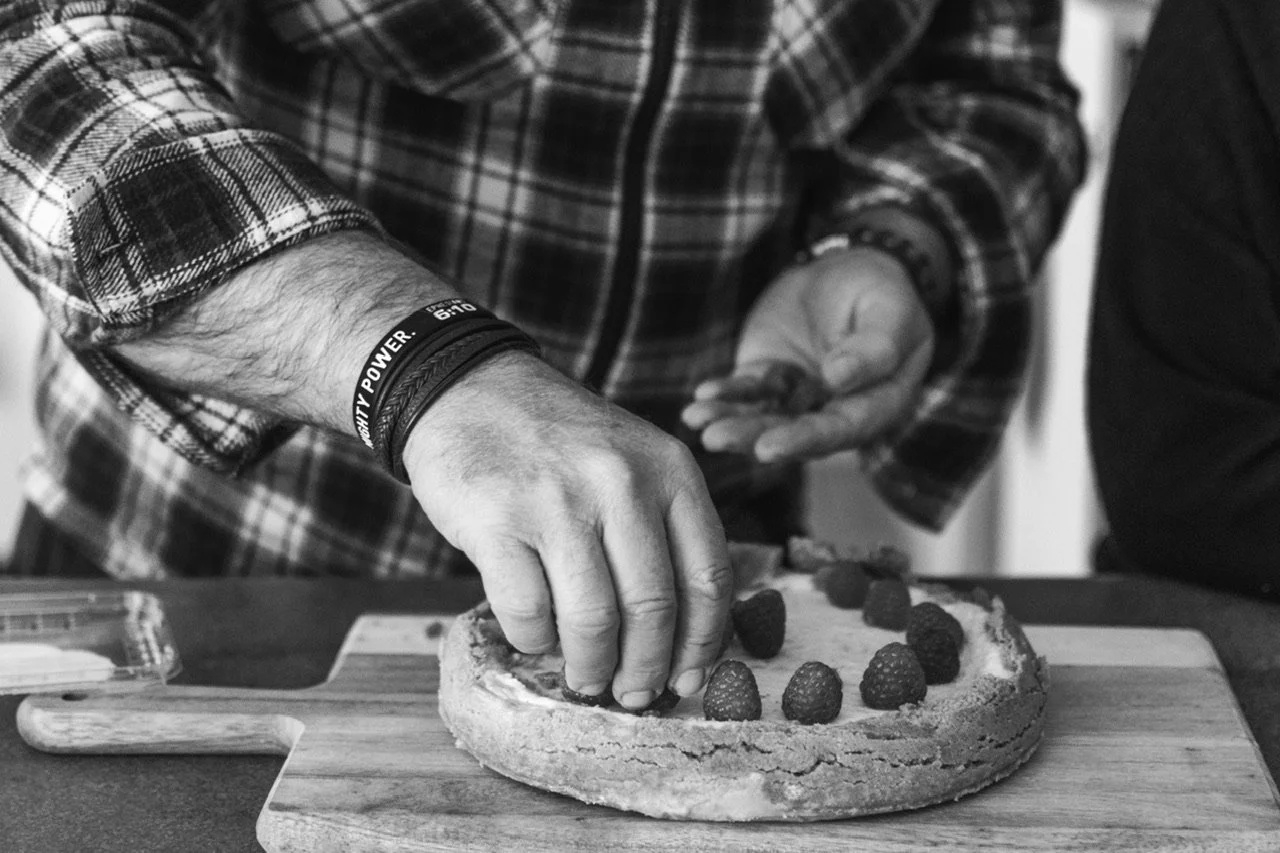
Father-daughter friends
Things You Could Do Next
Check out my books on Amazon
Listen to podcast episode 165: Stories about Connection from Radical Unschool Love
Read what other unschoolers are saying about tough love by following the above links
Listen to the podcast version – episode 202 – of this post with its extra content
Stop by and share your thoughts. Are you friends with your kids? Have you tried tough love? And do you ever have doubts about the way you’ve chosen to bring up your kids?
If you like this post and podcast, you might like to share them on social media or with a friend!