Why Are We Willing to Endure the Pain of Parenthood?
While walking around our local lake, I met a woman with two chihuahuas. They were the same colour and size. The only difference was that one looked like he’d put on his long fur coat before leaving home, while the other was prepared to brave the cold day without one.
I asked how old the dogs were, and the woman said, “Twelve,” and then added, “I don’t know what I’m going to do when they die. They’re my family.”
When we first get a dog, we’re so excited. We don’t think about all the heartbreak that goes with having a pet, for, of course, one day, we’ll have to say goodbye to a dog or cat or even a guinea pig who has become part of our lives.
It’s the same with children. We have stars in our eyes as we cradle our newborn babies. We don’t realise that parenting isn’t going to be the fairytale we imagine. There are going to be difficult times. Our hearts will break over and over again. And even when we learn from experience that parenting is hard, we return and do it again: we have more children. Or we try to. Because sometimes we have to endure the grief of infertility or losing babies far too soon.
My book Radical Unschool Love has a story called Sons, Scrapes, and Love. It begins with these words:
Callum appears in the doorway. “Mum, we haven’t had any mother-son time recently. How about we walk to the village for coffee? We need to catch up.”
A few minutes later, I’m sitting across the table from my son. As I sip my coffee, I think about being a parent. Why do we long so much to have children when parenting isn’t easy? It’s true that children bring joy into our lives. But why are we prepared to endure all the pain and heartache that inevitably come along as well?
This is how the story ends:
Our coffee cups are nearly empty. Callum is telling me a funny story. I look at the gorgeous smile that lights up his face. Did I really grow him from a tiny baby? Is he really mine?
I think again of the questions I am pondering. Why am I so willing to endure all the pain of being a mother? Why would I be prepared to suffer it all over again? And I know the answer. I have known it all along. The answer is love.’
Love is so very powerful, isn’t it? We can do anything when we love.
An Extra Story
Here’s a story about love and grief that I wrote when Sophie was nine, and Gemma-Rose was six.
Grieving for Scarlatti
He was six years old and a senior citizen of a guinea pig, so his death wasn’t unexpected. But being prepared for a beloved pet’s death doesn’t make it any easier.
We bought Scarlatti when Gemma-Rose was a baby. She can’t remember a time when we didn’t have him. As far as she’s concerned, he has always lived in our garden, nibbling our grass, waiting to be fed or played with and always available for a cuddle.
On Sunday morning, Gemma-Rose appeared at the kitchen door with a guinea pig cradled in her arms, a worried look on her face. “We were playing with Scarlatti, and then we put him back in his cage. We went off to get him some grass, but when we came back, he was still lying where we left him.” Andy did a quick medical examination and gently pronounced Scarlatti dead.
Tears spurted from the girls’ eyes, and they howled with grief. I hugged both of my daughters tightly and let them cry.
Andy asked the girls if they wanted one last photo of Scarlatti, and they nodded. Then we went down to the bottom of the garden to dig him a grave. Duncan suggested the girls might like to throw a few pretty flowers into the grave, so while Andy was busy with the spade, they went to pick some daisies. Then Duncan laid Scarlatti carefully into the ground, the girls scattered the flowers, and Andy filled the hole. “Thank you, God, for Scarlatti. He was a good pet.”
There were fresh howls of grief, and I cried too, not for Scarlatti but for my daughters. It was heartbreaking watching their pain.
Eventually, we wiped our eyes, and talk turned to crosses. The girls wandered around the garden, searching for suitable sticks.
I once wrote a story called The Viewing. In it, I wrote:
I’m the type of person who hates to look at dead pets. If I see a goldfish floating upside-down, I immediately avert my gaze and yell, “Callum! The fish is dead. Quick! Scoop it out and bury it.” I don’t know what I will do when the guinea pigs decide they’ve had enough of life. I hope it’s not me who discovers their lifeless forms on the floor of their cage.
I wondered how I would cope if I had to hold a dead child if I couldn’t deal with a lifeless pet.
In the end, it wasn’t me who discovered our expired guinea pig. It was Gemma-Rose. She didn’t even think about not wanting to hold a dead body. She just scooped him up gently and went in search of help. She wasn’t frightened because there is something much stronger than death, and that’s love. Gemma-Rose loved Scarlatti. And because I loved our son Thomas, I held him in my arms as he died, my worries about how I’d cope forgotten.
Most of my children are familiar with death, grief and mourning because they remember losing a brother. But Sophie and Gemma-Rose were born after Thomas died. They have only heard about that pain secondhand. Being allowed to grieve over their guinea pig has taught them things the others already know.
They learnt that having someone special to love is a gift. But when you love, you open yourself up to possible heartache. You grieve when that person or animal dies. It is a massive loss.
The girls learnt that it’s alright to cry and be sad. They don’t need to cheer up and put on a brave face. Scarlatti was worth all those tears. He gave them so much pleasure.
And Sophie and Gemma-Rose discovered that the rituals of having a burial and making a cross give some comfort. They were able to do one last thing for their much-loved guinea pig.
I sometimes wish we didn’t have pets because I know we will have to face the deaths of each of them. It will be heartbreaking every time. But I’m also aware that this heartbreak prepares my children for the greater sorrow of losing the people they love. They will remember that it’s okay to grieve, cry and take their time mourning. They won’t have to cheer up and get on with life but heal at their own pace.
And although the pain will be overwhelming, they will still be thankful they had the opportunity to love.
Photos
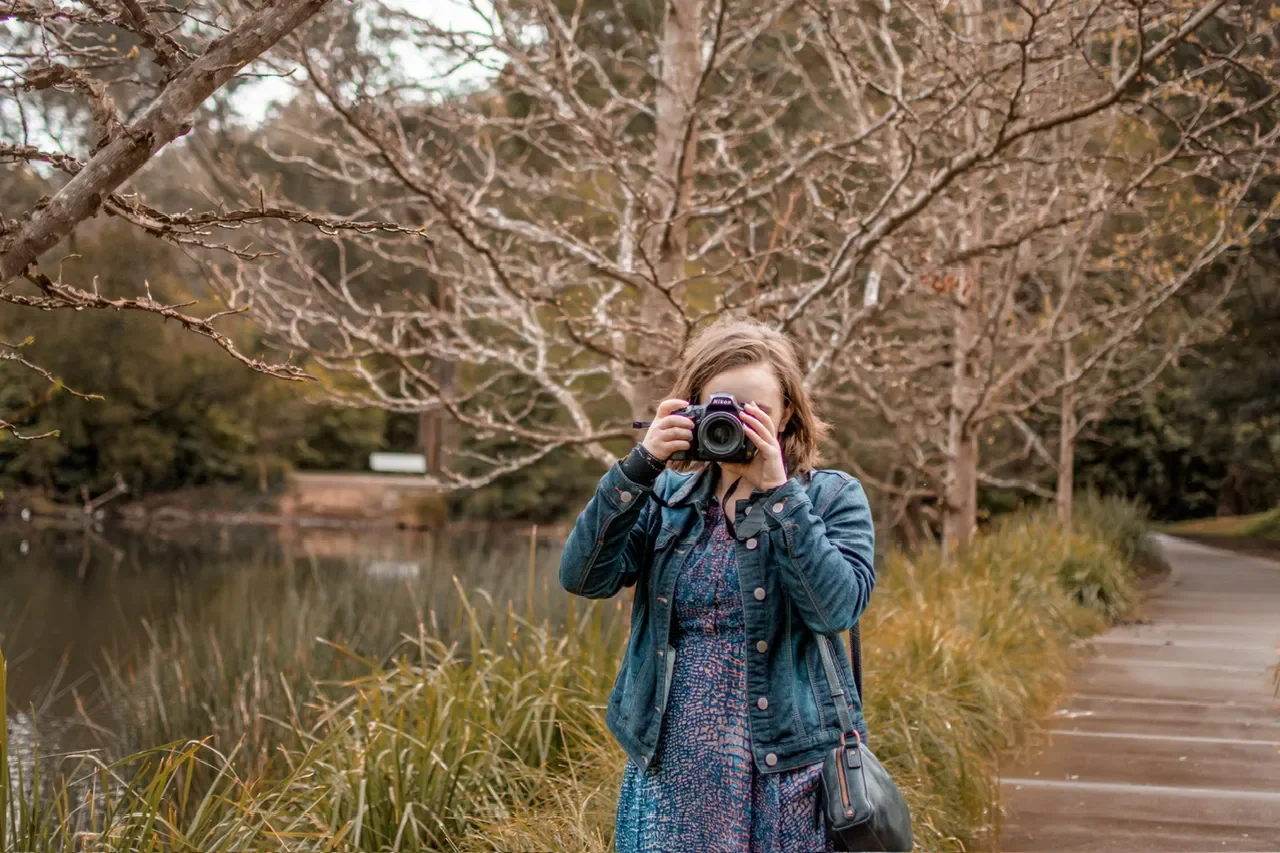
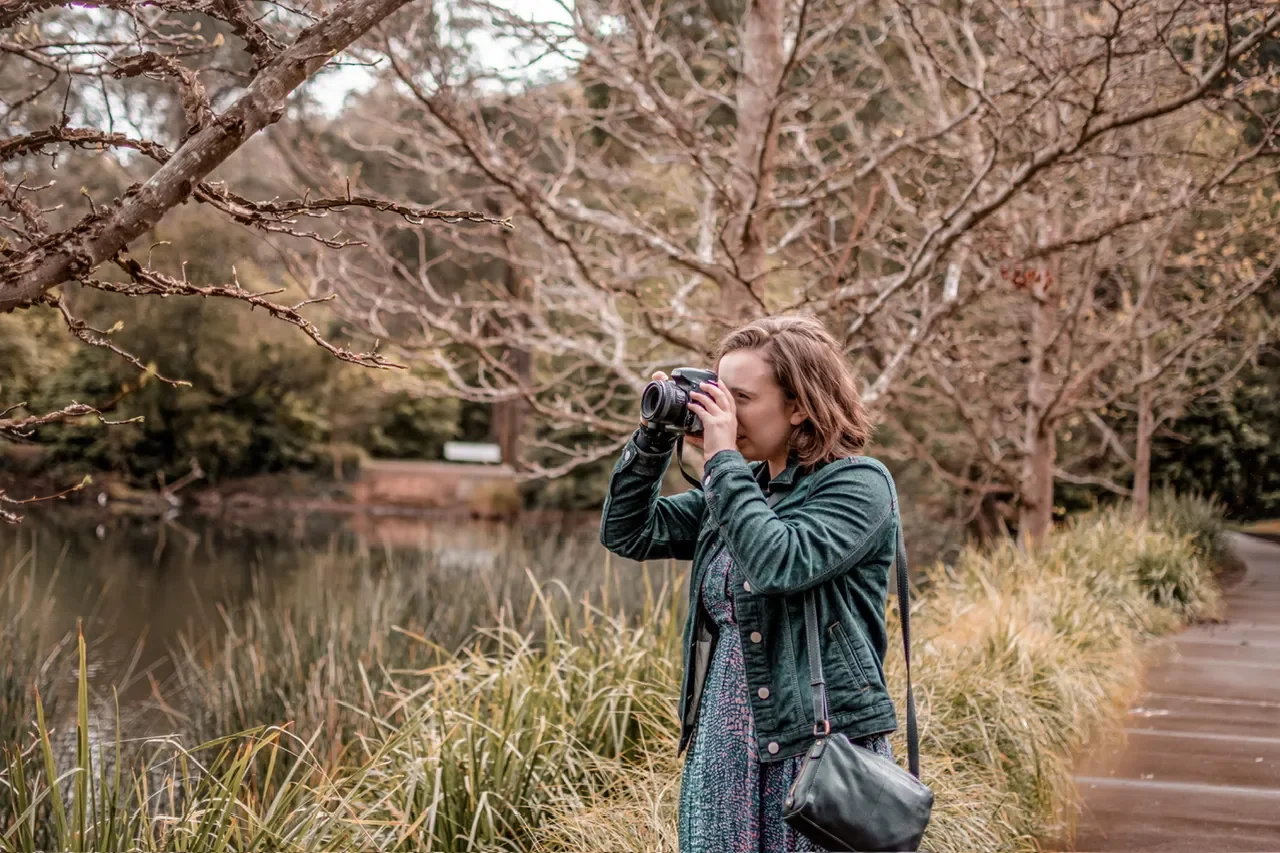
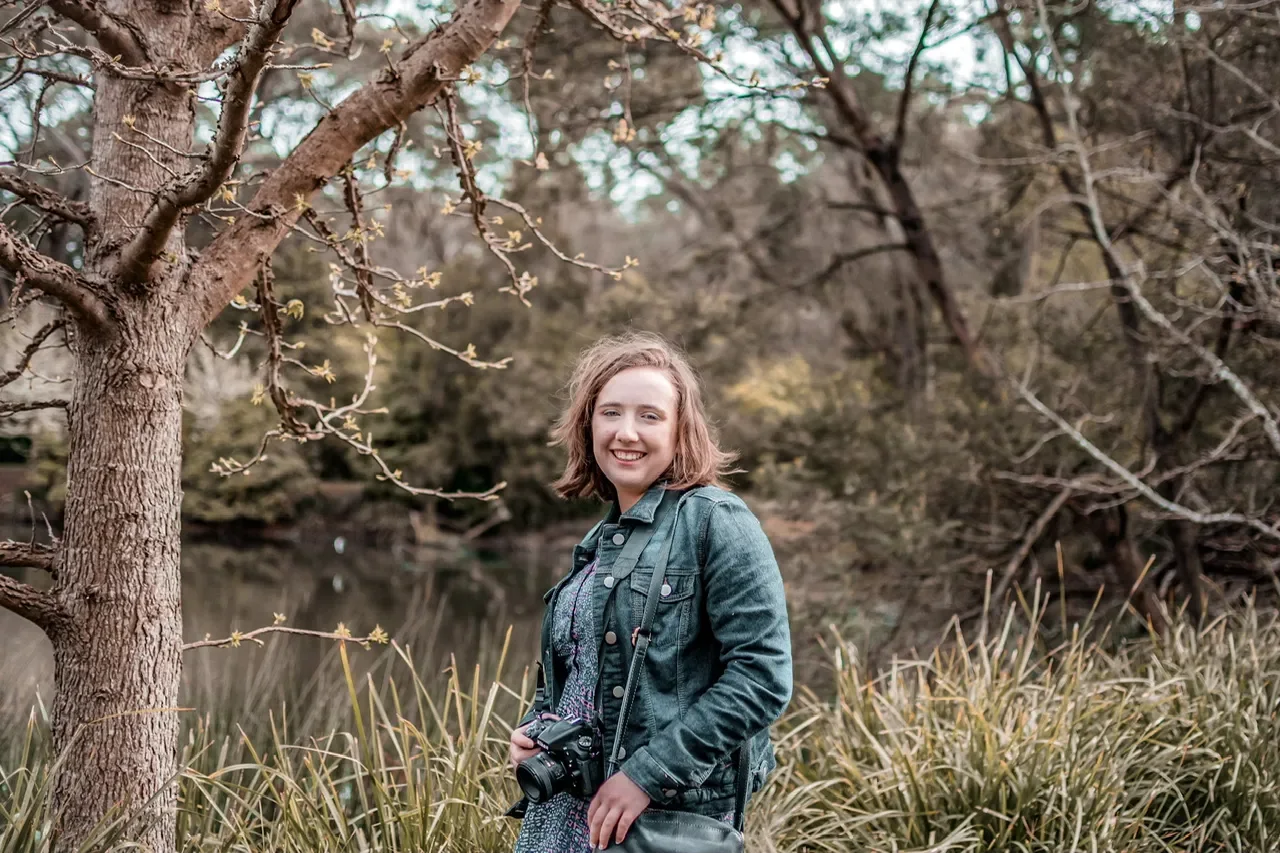
I took these photos of my daughter Sophie in 2020 when she was 19, shortly before she left home. We’d often visit the lake with our cameras, stopping to admire the many dogs and chat with their owners.
Updated Posts
Perhaps you read this post when I first published it in September 2020. Or is this is a new-to-you story?
In my last post, Goodbye, Stories of an Unschooling Family, I said I won’t write any more unschooling posts about my children, who are all now grown up. I told you I’d moved to a new blog, Wholy Souly, which is about my life rather than my kids. I want to let go of unschooling.
But then something strange happened: I gained a lot of new subscribers, despite announcing I’m no longer writing stories for this blog. Suddenly, I was questioning my decision to leave this blog. After much thought, I decided I still don’t want to continue writing about my kids, who deserve their privacy after generously sharing their lives for many years. However, I could update and republish some of my old stories about them, couldn’t I?
So today, I dipped into my archive and found this story. There are hundreds of other old posts about all kinds of unschooling and parenting topics. Who knows what I might find if I visit my archive again? If you aren’t already subscribed to my blog, why not sign up for notifications in case I discover something interesting?!
So my “Goodbye, Stories of an Unschooling Family!” has turned into “I could update and republish a few old posts.”
What do you think? Shall we explore my archive together?