Yikes! Do They Know About Filtration?
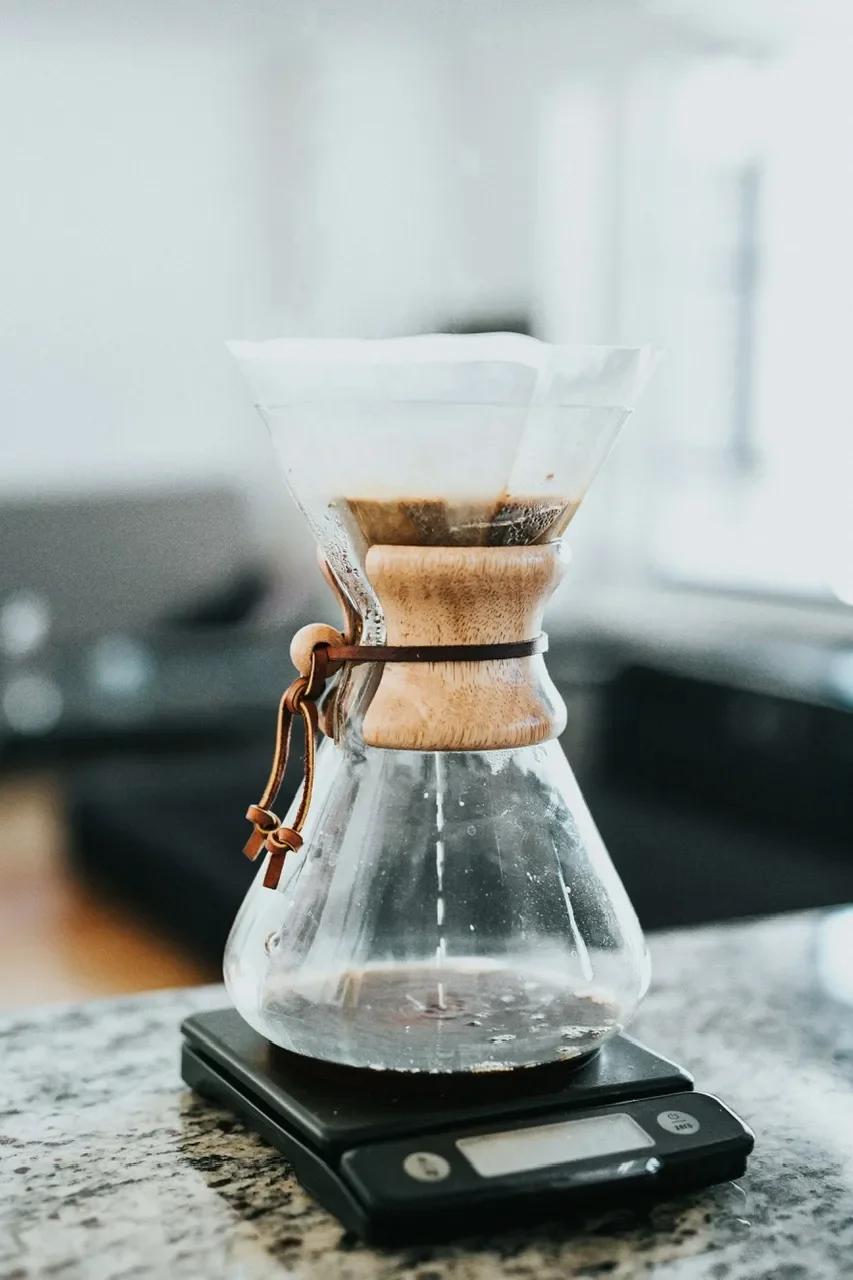
I was chatting to a friend on the phone the other morning. She was telling me about a dialogue her daughter is writing as an English exercise. "One of the speakers is a professor and he is talking about filtration. We did that in chemistry the other day.”
Filtration? I began to wonder: do any of my children know about filtration? Did we ever talk about it together? Is it something they need to know about? Perhaps there is a huge gap in their education.
“Does anyone know what filtration is?” I asked, later that day.
“I know what infiltration is,” replied Charlotte. “It’s when someone manages to sneak into the enemy camp.”
“Not infiltration. Filtration. Chemistry, you know,” I persisted.
“Oh that’s when materials are separated using a barrier that has holes that only allow certain sized particles to pass through.”
Someone went on to explain how a water filter works. And coffee filter paper. Somewhere along the line they’d learnt about filtration despite the fact I didn’t teach them about it.
But even though the girls know about this area of chemistry, I could see they were much more interested in infiltration.
"What do you know about infiltration?” I asked Charlotte.
“I know it hurts if you get caught.” Her voice started to quiver: “All that torture!... Water torture… Drip! Drip!”
Nancy Wake died the other day. I told the girls about the Australian service woman, code-named The White Mouse, who worked with the French Resistance in WWII. She’d been a secret agent who’d infiltrated the enemy camp.
Imogen had her own infiltration story: “There was this musician who was a successful secret agent. No one suspected her because she wrote her messages in invisible ink on sheets of music. She travelled around from performance to performance giving away her music to her fellow concert going agents.”
After this conversation I pondered two things. The first is that children are constantly learning. My girls know far more than I realise. Just because I haven’t ‘taught’ them something doesn’t mean they haven’t learnt it for themselves. And they know a lot about some things I know nothing about.
The second point: children can’t possibly learn everything in their ‘school’ years. There is far more knowledge in the world than one person can learn in a long life-time. So how do we decide what is essential and what is not? Schools have their own curriculum but is that a good guideline for homeschooling students to follow? Perhaps parents have better ideas about the needs of their children. Or maybe children have ideas of their own…
Could children be trusted to learn what they need to know? Should they be allowed to choose infiltration rather than filtration?
Some people might say this is rather a radical idea!