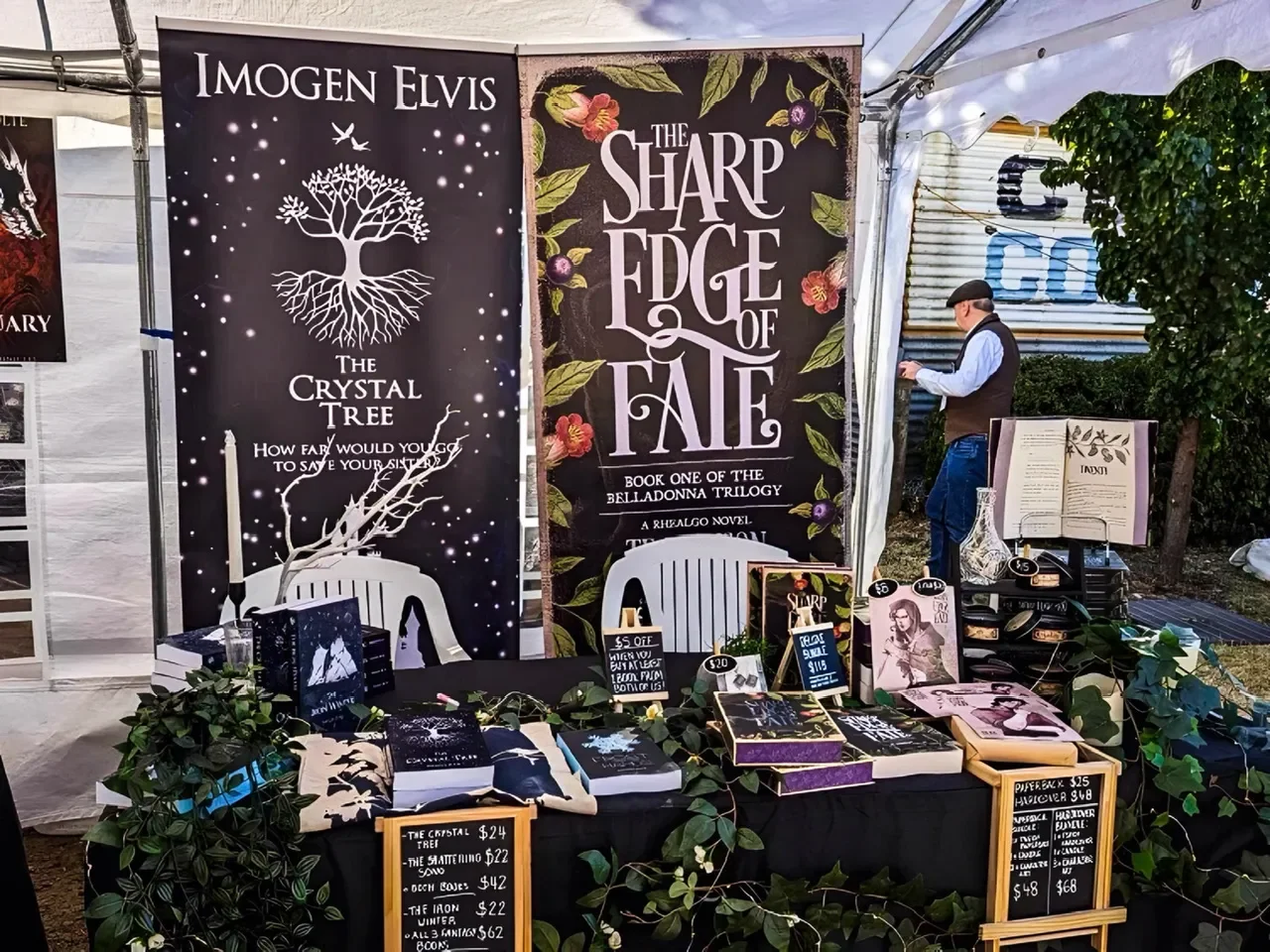
Chatting with My Unschooled Author Daughter

Challenging Ourselves to Put Away Our Phones
Taking Risks, Looking Strange
… And we shouldn’t be afraid of taking risks: doing something different and trying new things. People might look at us strangely, but then again, they might not. They might think what we’re doing is great.It’s strange how many of us tend to stick to the same way of doing things, isn’t it? We want to blend in, stay under the radar and not stick out. Unschooling can be a bit that way. When my kids were growing up, we didn’t know any other unschoolers, so we tried to blend in with everyone else so we felt accepted. And we did okay until people engaged us in conversation. Then, our differences appeared. It became apparent we weren’t like everyone else. We were strange!
How to Respond to ‘Unlovable’ Kids and Cats
Love or Fear? What Guides Our Lives?

Ordinary Frida Kahlo Eyebrow Days

Words Matter
What Do You Want to Be When You Grow Up?

Do You Need a Happy List?

Put on Your Real-Life Maths Eyes
A Perfect Curriculum or Unschooling?

Is It Time to Have an Unschool Adventure?

The Unschool Challenge: Writing an End-of-the-Year Review
The changeover of the years is an excellent time to examine our lives, isn't it? As Socrates said, An unexamined life is not worth living. Yes, we should think about the year that's just ended. What did we learn? How did we grow? Is our family going in the right direction? Do we need to make some changes? And what will we take forward with us into the year that's about to begin? What are our hopes?
Santa, Books, and Expectations
Unschooling: Doing What Is Right
Preventing Childhood Trauma with Unconditional Love
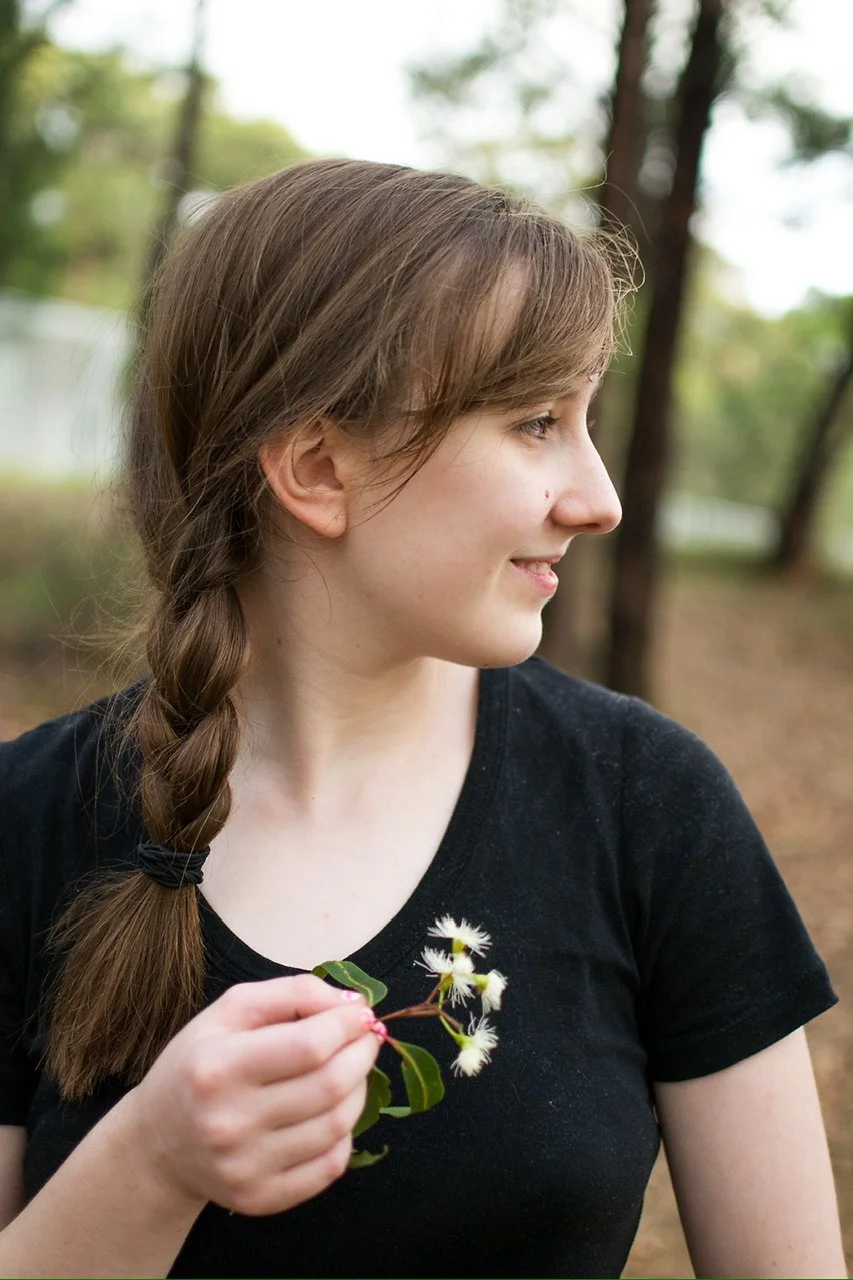
Childhood trauma can follow us into adulthood, affecting what we do, how we feel about ourselves and how we relate to others. We can trace many of our adult problems back to something that happened as we were growing up. If we understand this, we’ll protect our kids, the best we can, from anything that might affect them adversely. But what about the trauma that's disguised as ‘good’ parenting techniques? Can we unintentionally harm our kids by doing what we think is right?
Could Unschooling Be Exactly What Teens Need to Do?
When unschooling children reach the teenage years, is it time for them to stop following their interests and do some serious structured work instead? If they continue to unschool, will they fail to gain enough knowledge to get into university? Do they need to learn how to write essays, complete assignments, meet deadlines and deal with exams? Do parents need to tighten the rules for teens? Perhaps they should restrict their teenagers’ freedom to keep them safe because their worlds are getting bigger and there are a lot of dangers out there. Or is leaving unschooling behind the wrong thing to do? Could unschooling be exactly what teens need to do, (even if they haven’t unschooled before)?
Who Should Be Responsible for a Child’s Education, the Parent or the Child?
Who should be responsible for a child's education, the parent or the child? Is learning an active activity that needs the learner’s cooperation? Is it impossible to force knowledge into a child without resorting to teaching methods that ultimately destroy their natural love of learning? Is forced learning real learning? Is it better to unschool and let children learn what’s important to them? But if we choose unschooling, will our kids, one day, accuse us of side-stepping our duty and not providing them with a good education?