A Story Within a Story
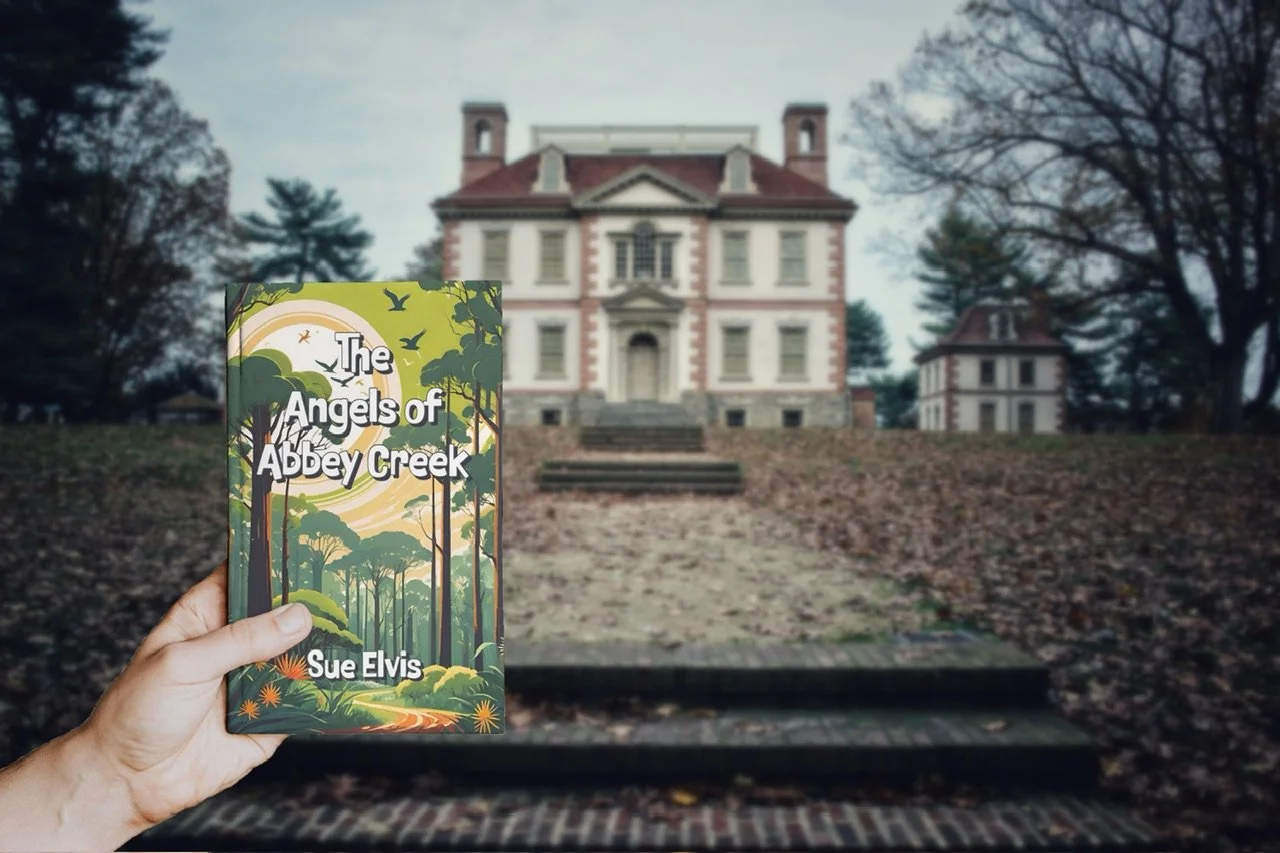
Smiling, she swings open the double front doors and steps into the magnificent old house. In front of her is a triple-width staircase that leads to the silent grandfather clock on the second-floor landing. Above her is an enormous chandelier. Fiona drops her keys onto one of the hall tables on either side of the staircase and winces as they dislodge a cloud of dust into the air. A decade’s worth of dust covers everything inside the house.
Decayed floral arrangements cover the 24-seat table in the formal dining room. No one removed them after the wake. No one has been inside the house since that sad day.
Despite the dust and the decay, Fiona can’t wait to move into Wirimbirra, the house that belonged to her Uncle Tad. She grew up in the house. Now it belongs to her.
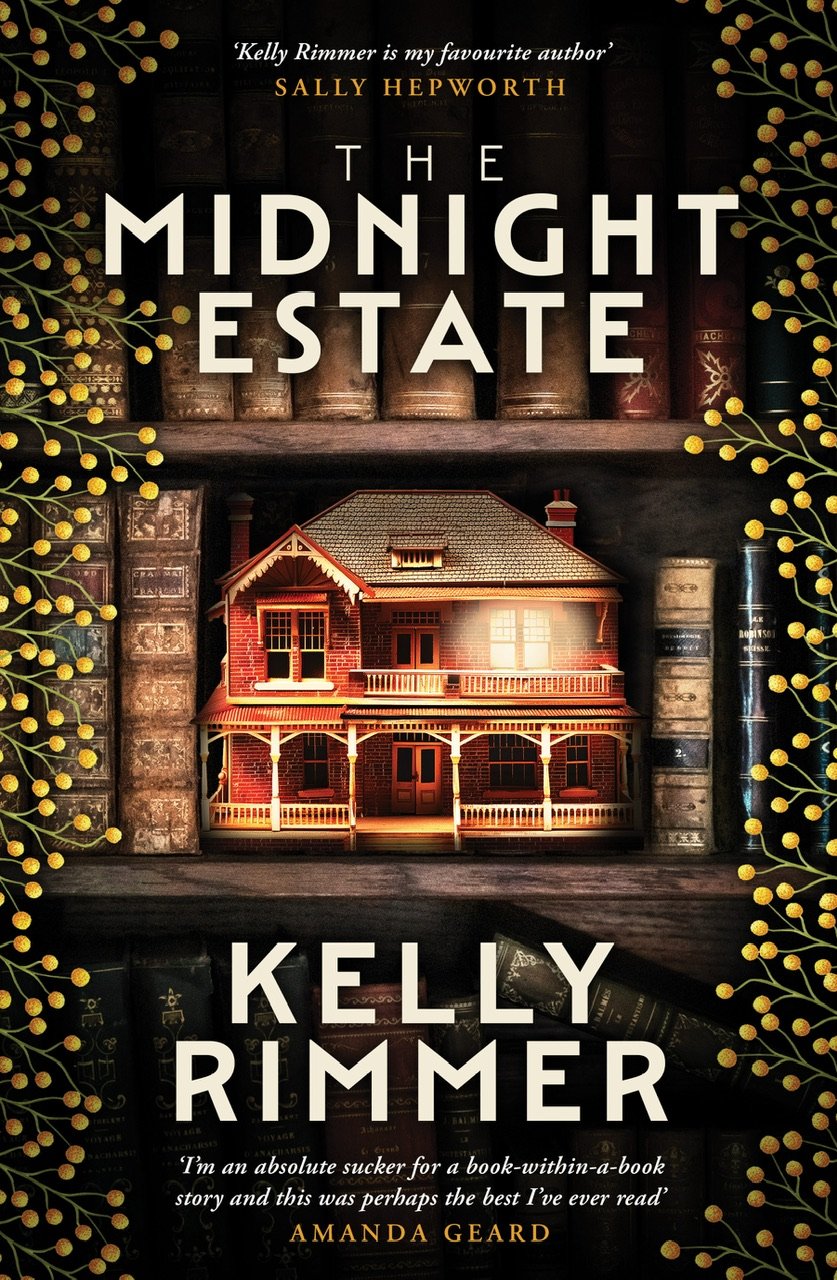
On this gorgeous, sunny late winter’s morning, I’m reading Kelly Rimmer’s novel, The Midnight Estate. My daughter, Imogen, bought it for me a couple of weeks ago. It’s an easy book to read. I turn page after page, engrossed in the story.
Fiona discovers a dusty box on the ten-seat farmhouse table in the kitchen. She remembers finding it abandoned by a courier by the door on the front veranda on the day of the wake. She slices open the box, revealing ten copies of a book, The Midnight Estateby Charity Wilkie. Was Charity a friend of her uncle’s?
In between the house cleaning, Fiona reads the book. And so do I.
The Midnight Estate is a book within a book. A story within a story. A novel within a novel. I read it chapter by chapter, keeping pace with Fiona. The inner book, cocooned like a Russian nesting doll within the covers of Kelly Rimmer’s novel, obviously has something to do with the main story. But what? I haven’t yet discovered.
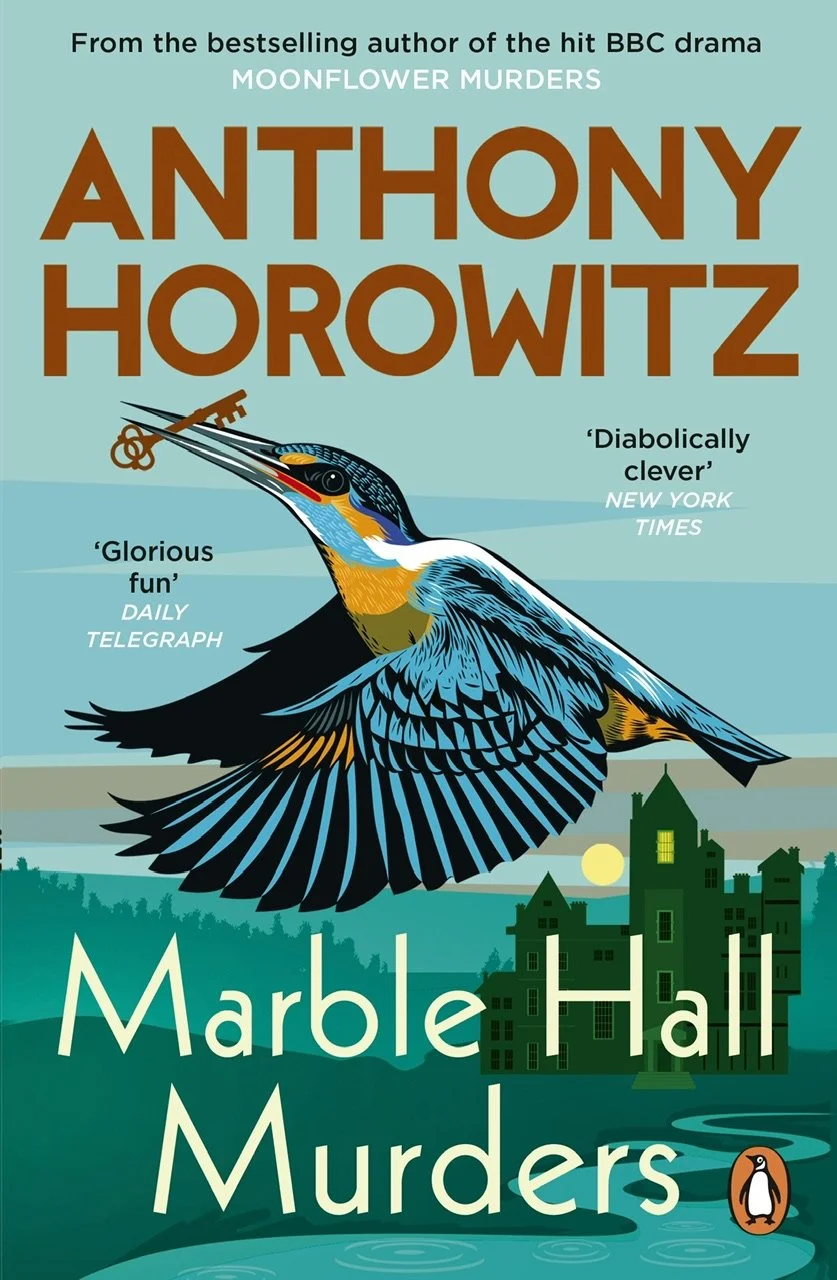
Other authors have used the book-within-a-book technique. Anthony Horowitz used it when he wrote Marble Hall Murders. I read that mystery crime novel a few months back. It’s the third and final book in the Magpie Murders series. Of course, like always, someone has died. Was it murder? Did someone eliminate Miriam Crace, the best-selling children’s author and owner of Marble Hall, a grand, imposing house with a magnificent marble entrance hall? It’s up to Susan Ryeland to solve the crime. Are there clues to the murderer’s identity in the book Susan is editing, Pund’s Last Case? I read the inner book word for word as Susan reads it. Did she discover the clues? Did she solve the murder puzzle? Did I?
As a teenager, I lived in a grand old house with a sweeping staircase for a few months. Every room had a fireplace. If my family could have afforded to light a coal fire in each one and keep it burning night and day, the house might have felt slightly warm. But that didn’t happen. We lived in a fridge.
In my children’s book, The Angels of Abbey Creek, I gave that old house story to the Angel family. One winter’s afternoon, everyone gathers around the fire in the living room, and Kate says it’s the perfect day for a story. So Dad tells the children about his childhood home with the outside toilet, which resembles the house where Andy grew up. And then he tells a story about my grand old house:
“We once lived in a very interesting house that did have a proper bath but not always running water,” remembers Dad. “It was when we were living in England. I was working there for a year. Edward and Kate were very little at the time.”
“We had to find a house to rent,” says Mum. She explains that the only house they could find was a huge old one in the country. It was a magnificent house with many rooms, a sweeping staircase in the middle and very high ornate ceilings. “It was a bit of a fairy-tale house except for one thing,” says Mum.
Everyone is listening closely. “It was cold,” continues Mum. “Not ordinary cold but freezing cold. We arrived in the middle of a very bitter winter. Every room in the house had an open fireplace. We had asked the coal man to deliver a gigantic load of coal, but the house was so big that even the coal fires didn’t keep the house warm.
“Getting up in the morning was the worst,” remembers Mum. “It was awful having to get out from under all the blankets and get dressed. Every night, the water in the pipes would freeze. It wouldn’t flow out the bathroom taps. So, we had a proper bath but didn’t always have running water. It was so cold even the shampoo would freeze in the bottle.” Everyone tries to imagine what it would be like to live somewhere that cold.
“It would be like living in a fridge,” says Celeste.
“Actually, we didn’t have a fridge,” says Mum. “We didn’t need one. We stored the milk on the stone floor of the pantry. It would freeze in the bottles. When we wanted to drink the milk, we had to thaw it first.”
“Wow!” says Celeste. “That sounds like a real adventure.”
“Yes, it was,” agrees Mum. “We were real adventurers exploring new places. It was often difficult. It’s not nice to be shivering cold all the time. But I’m glad we were tough enough to live in that old house. It was a unique experience. We have some wonderful memories and lots of stories to tell. It’s like Dad and his metal bath. Not many people have done the same things as us.”
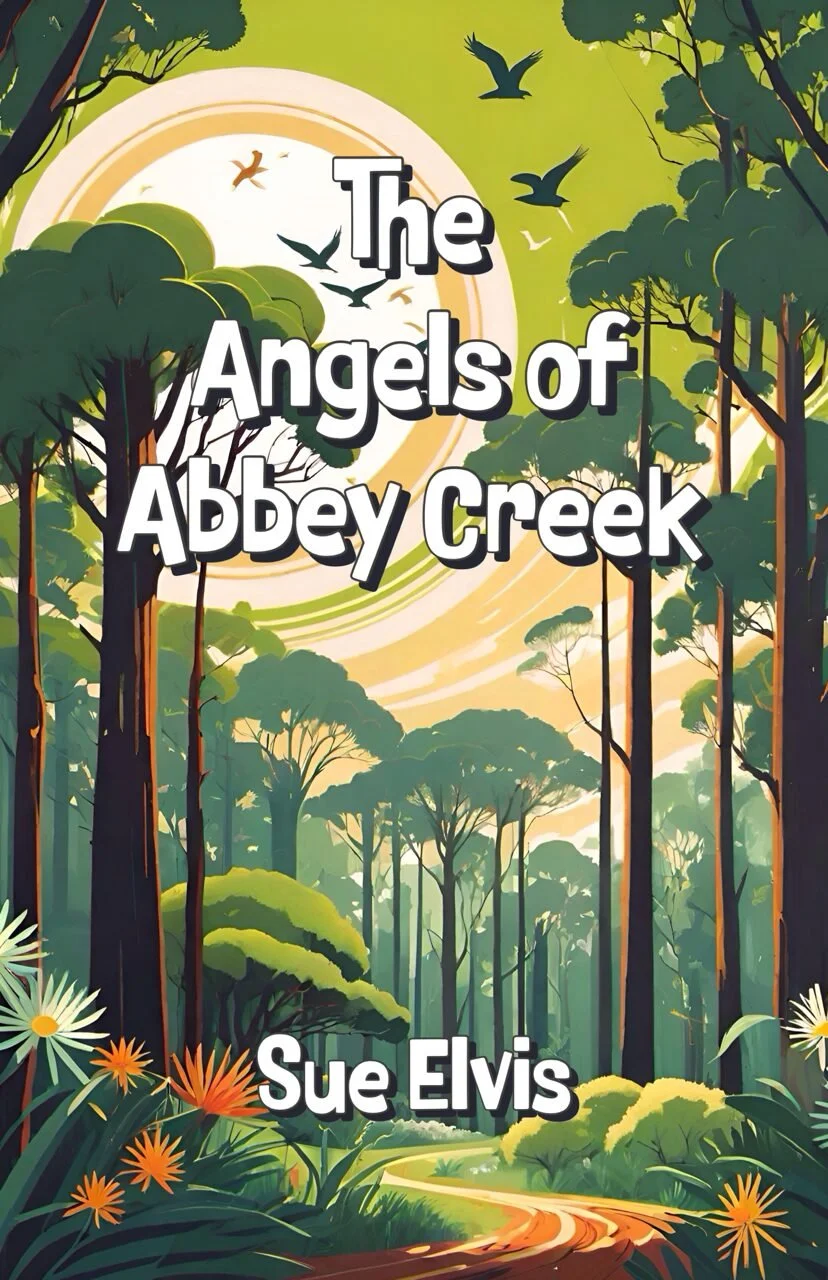
I re-edited The Angels of Abbey Creek a while ago, gave it a new cover, and republished it. Then, with great excitement, I started updating my second Angels novel, The Angels of Gum Tree Road. I re-edited the manuscript. The words were all ready. And then I lost interest. I told myself I didn’t want to format the book and create the new cover. I struggled with The Angels of Abbey Creek because I didn’t have enough skills.
But that wasn’t the real problem. I could improve my formatting skills. But I haven’t wanted to. Although I love my stories, I’ve become reluctant to share them. The other day, I even considered deleting them from Amazon.
A lack of positive feedback, a critical comment, a poor review—negative reactions all have the power to chase away the good. I stumble, question my talent, and want to hide away somewhere safe where criticism can’t hurt me. I don’t want to create anything ever again.
But what if I went through life not doing anything because someone might not think my work is good? What would I miss out on? Sometimes we have to be brave and not worry about people’s opinions, don’t we? When a bad review appears, I could say, “I’m so sorry my book wasn’t what you hoped for. Sadly, you’re not one of my people.”
Some readers understand. They take delight in the things that delight me. They’re my people.
We could think of our lives as books, couldn’t we? Each day is a new page waiting for us to fill. The pages form chapters. Our books get fatter. Until one day, we reach the end. The book covers close. The story is over. What stories will end up in my life book?
At the end of each day, I write in my journal, noting everything that happened, the delights I noticed, and my mistakes. Then I look for the day’s story. Why was today important? What does it mean? What did I learn, and what’s today’s resolution? There’s always a story for me to discover and ponder.
Today’s story is called A Story Within a Story. It’s a story containing a childhood story. It also includes a few books that have books within them. And it leads to a resolution:
Don’t worry about possible criticism. Finish updating The Angels of Gum Tree Road.
You don’t need to be a best-selling author like Miriam Crace. All that’s important is to enjoy writing stories. Continue putting them out in the world in case a kindred spirit comes along who wants to share them.
So, have you read a book that has another book within it?
Do you record the stories of your life within a journal? Perhaps you blog about them?
Do you ever hold back and not share your work to protect your heart if someone is critical?
And do you have a fascination with grand old houses? They’re wonderful settings for stories, aren’t they?