The Secret Thrill of Getting Older
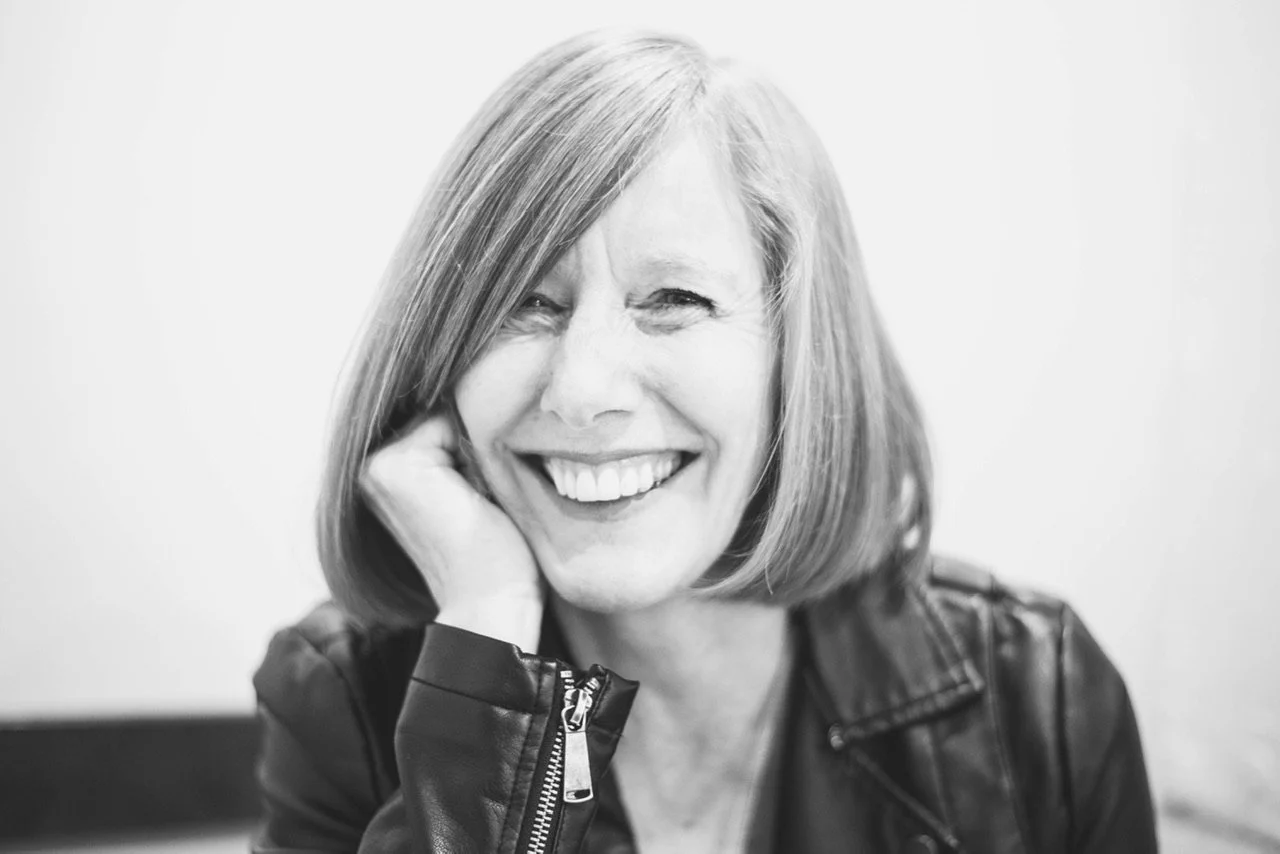
Many years ago, whenever I walked along the street followed by my gaggle of kids, people used to say, “You don’t look old enough to have that many children!” Of course, I would smile and soak up those words. They made me feel good about myself.
These days, no one says such things about my appearance, though a month or so ago, I did have an experience that made me smile.
As I was walking through the entrance to Big W, the meeter-and-greeter thrust a free picture book towards me saying, “Here’s a mother!” I smiled and accepted the book even though my youngest child is 15. I rather enjoyed being mistaken for a mother with younger children.
Does it matter if people think I’m young or not? No. But somehow I’m finding it hard to adjust to my ageing appearance. If you look back through my blogs, you will see that I have visited this subject many times. Each time, I think I’m moving forward. Age? No problem! I’ve got it licked. I can deal with it. I love being who I am, wrinkles included! But am I really happy about those lines and crinkles?
Maybe I’m a bit vain? Yes, I’m finding it hard to let go of my gorgeous good looks because they’re an integral part of my identity. Except that’s a bit silly because I’ve never felt particularly beautiful. Kids at school made me aware of how ordinary I look.
So what’s the problem? I think it’s got a lot to do with how other people perceive me. Rather than thinking that I’m a vibrant young mother who might like a picture book for my kids, people probably, without any hesitation, classify me as ‘older’. Older and not very interesting. Older and past all the exciting stuff of life. Older and not very valuable.
Yes, society, on the whole, doesn’t really value older people. And that’s a problem because I want to feel needed. I want to belong. I want to be valued. Just like younger people. I don’t want to live on the threadbare edges of society.
Is my slow adjustment to my ageing appearance my problem or does it belong to those around me? Can I say, “If only everyone valued and respected older people, I wouldn’t mind getting older”?
Or perhaps I shouldn’t worry about what other people think.
My daughter Sophie once said that she’s aware of how different she is from other people of her age. “They think I’m just like them, but then they start talking to me and they realise I’m not.”
“How does that make you feel?” I ask.
Sophie grins and says, “It gives me a silent thrill.”
Sophie tells me that after her cover has been blown and people discover she’s different, not everyone reacts positively.
“People prefer me to have the same opinions as them,” observes Sophie. “They don’t want to look at the world through different eyes. They think their way is best and don’t want to hear what I have to say. Once someone said to me, ‘I liked you better before you started talking,’ and then told me to be quiet.”
How can Sophie get a secret thrill from being different when people are so rude to her? I guess she likes being who she is. She has things to say. But if no one wants to listen, that’s okay. It doesn’t change who she is. She’s different and that gives her a secret thrill.
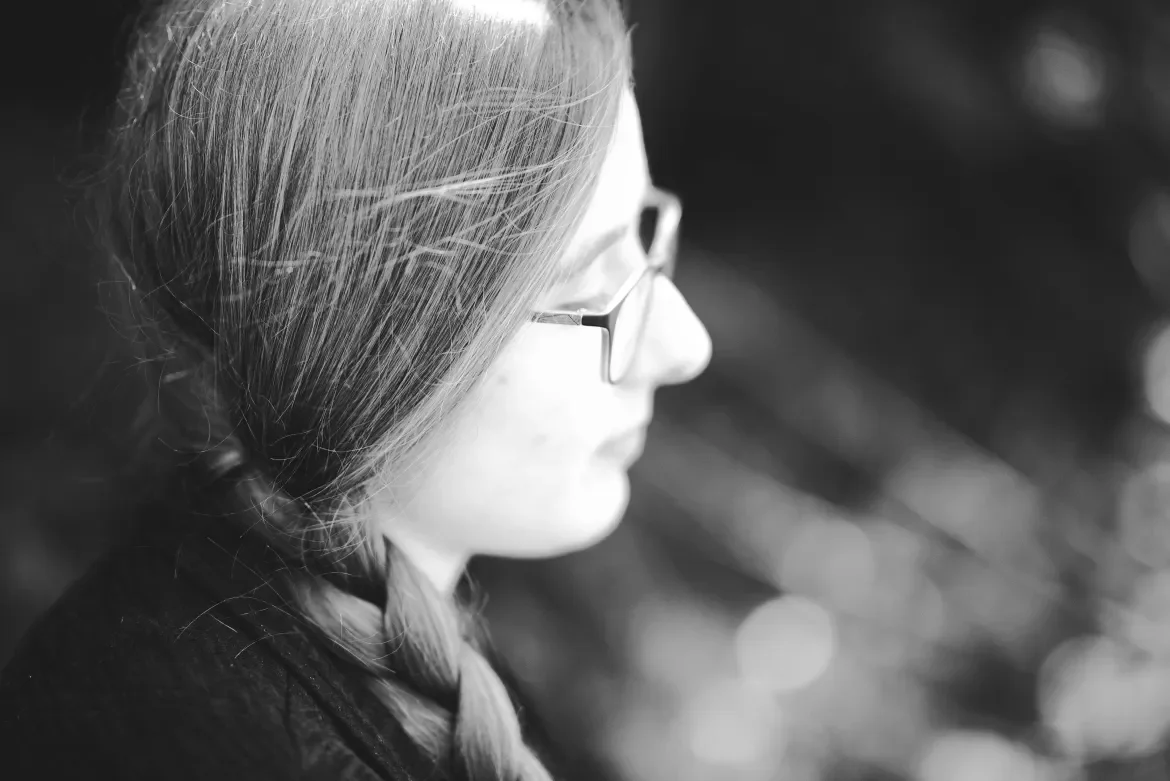
So I’ve been thinking about that secret thrill. People might assume I’m an older woman not worth bothering with. But if anyone talks to me, makes a bit of an effort, they’ll discover that I’m not who they think I am.
I’m not an older woman. That’s just my disguise. It’s my undercover identity. Thinking about that gives me a secret thrill!
One last thought:
Why doesn’t our society value and respect older people? Could it have something to do with how we don’t value and respect our young people? This is one of the ideas I explore in my book Radical Unschool Love.
Photos:
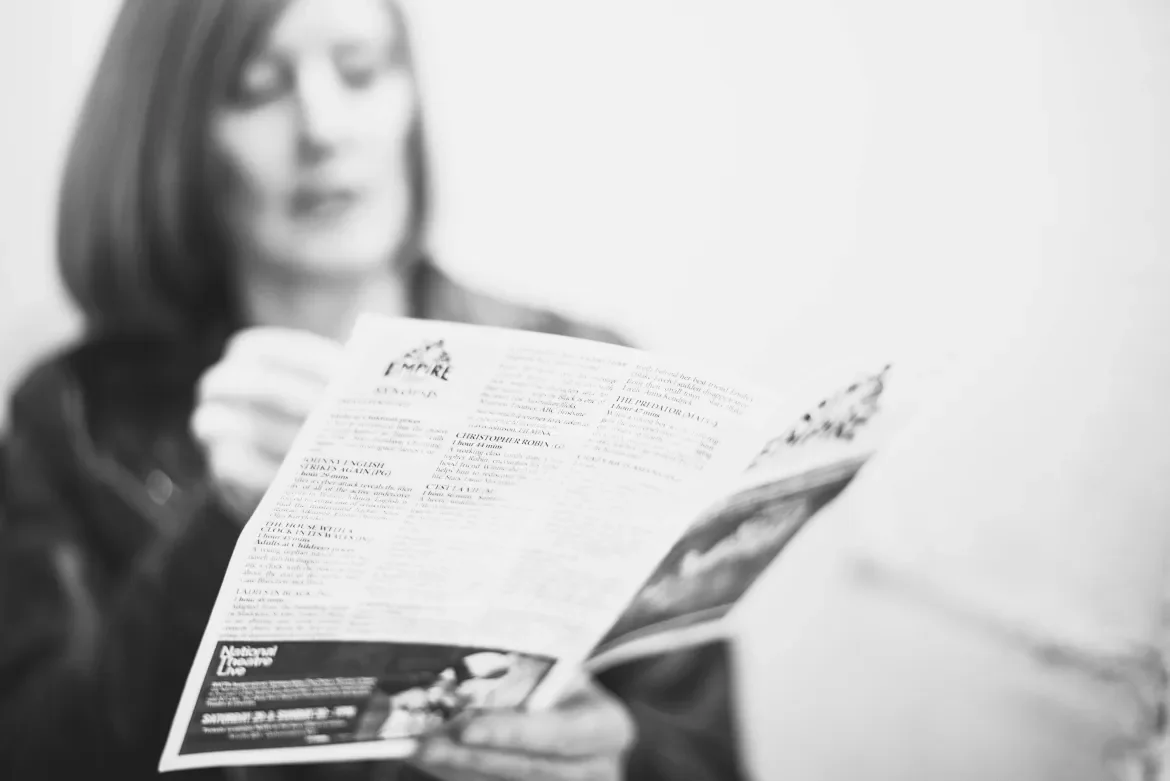
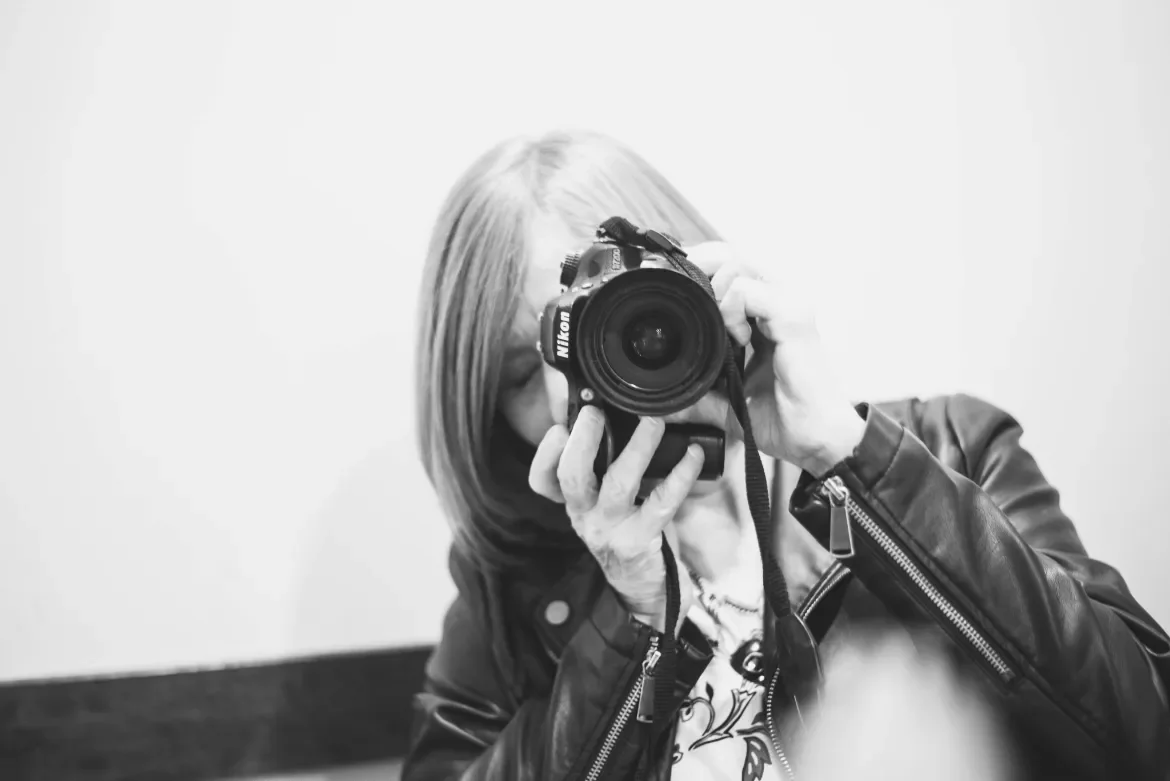
Sophie took these photos of Imogen and me while we were enjoying lunch together in our favourite cafe. If I wasn’t an ‘older’ person I wouldn’t have my beautiful young adult daughters.