The Spark
I gave up crying, petitioning, begging, “What am I meant to do?” Exhausted by the struggle, I stopped fighting, rolled on my back and rode the waves, content to go wherever the gentle tide took me. I decided to play.
I browsed the App Store, searching for something new to explore, and found an AI image generator: Wombo Dream. My finger hovered over the ‘3-day free trial’ option, pressed down, and a world of possibilities opened before me.
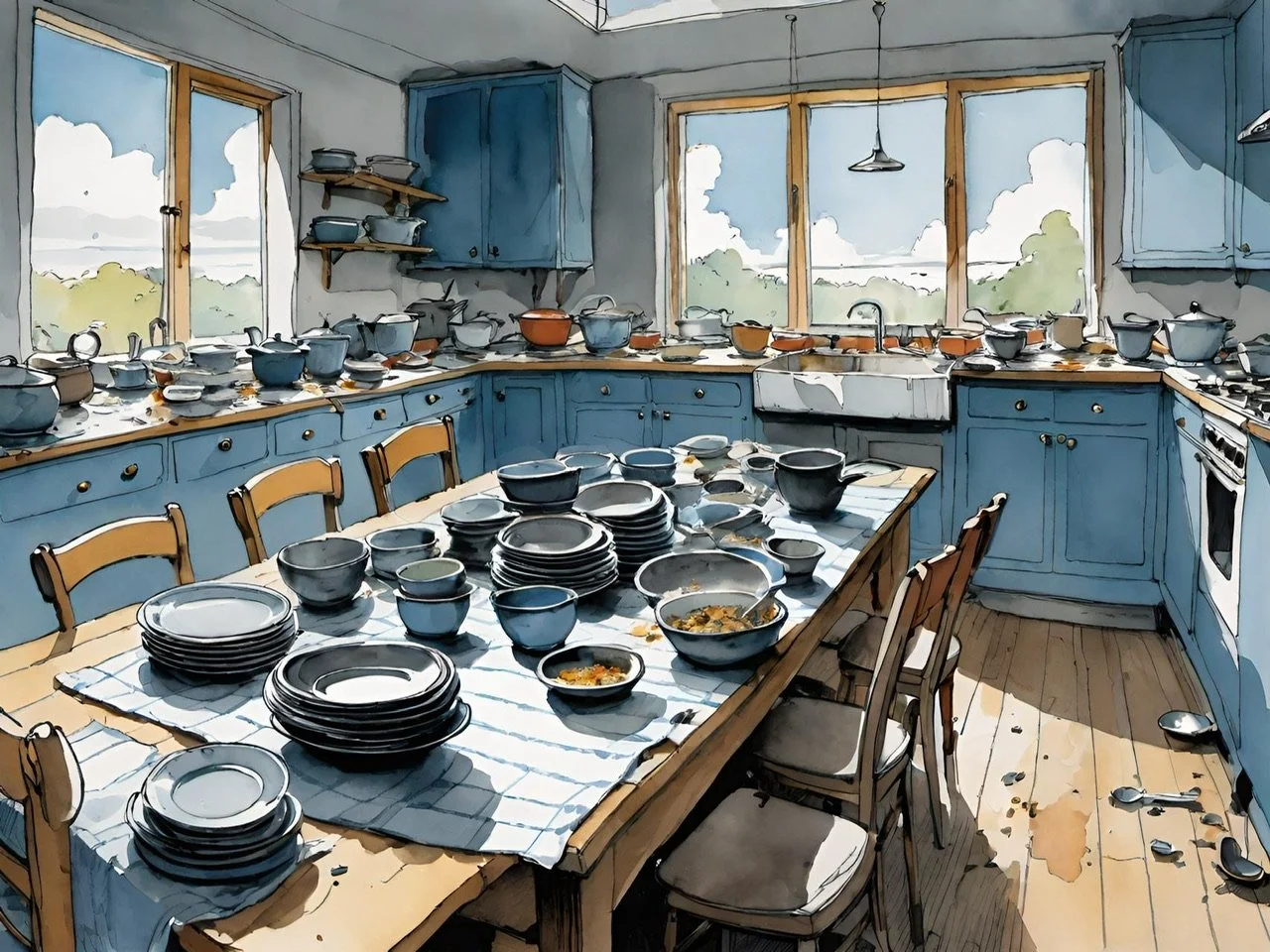
I entered descriptions and chose artistic styles, and images appeared, one by one, on my screen. At first, the details weren’t exactly as I’d imagined: children had built a magnificent life-sized castle on a golden beach, a messy kitchen had two sinks, and in the corner of a living room loitered a half-table half-chair.
I adjusted my descriptions, entering different words, as I got caught up in the challenge of producing images that matched my requests. After many attempts, my sandcastle shrunk to a perfect size, the excess kitchen sink disappeared, and the living room chair untangled itself from the table.
Then, I had an exciting idea: could I use the AI image generator to create new images for my first children’s novel, The Angels of Abbey Creek?
I wrote and published this book ten years ago. It’s available on Amazon as a Kindle ebook, but there’s no longer a print version. I’ve wanted to update the book with new illustrations before republishing one. But finding new images has been a problem: I can’t draw or afford to pay someone to draw for me.
It’s strange how we battle for solutions to our problems, thinking about the possibilities until our heads ache, trying different things but getting nowhere. Then, one day, the answers arrive when we least expect them. By the time my 3-day free trial of the Wombo Dream app was over, I had enough illustrations for my Angels book. Now, I’m revising the words of the manuscript and updating the stories before I upload the file to Amazon. Soon, maybe within a few weeks, all three of my children’s novels will be available as both Kindle and paper books.
I’ve joined in with many discussions about AI recently. I’ve wondered: is it okay if I use an AI image generator to create my pictures? Or is that cheating? Perhaps I should look for a way to pay a ‘real’ artist to draw my illustrations? Am I taking advantage of all the artists whose works have contributed to the AI image generator database?
Many artists are worried AI will replace them. Perhaps their skills won’t be in great demand now that generators can produce copyright-free images for free. Some writers have similar concerns. Will there be no need for human writers one day? Of course, AI could mean that anyone can be an artist or a writer, which could be good: everyone gets a chance to join in with the creative conversation. But will the creative markets be flooded? Will no one be able to make a living from their talents?
As a writer, I don’t have any concerns at the moment. So much of writing is about our styles and voices. AI may produce writing that’s grammatically correct. It could try to imitate someone’s style by copying data it has been fed. But the writing will just be writing and won’t be unique. It will lack a special ‘something’ that we each bring to our work. Maybe it’s the same for artists.
Our work, regardless of our field, includes not only our skills but also our imaginations, beliefs, thoughts, and unique ways of seeing and connecting different ideas. We give ourselves to our work. It’s part of who we are. I can’t see AI replicating that. It can’t produce the indescribable spark that touches hearts, elevates minds, inspires, comforts, and brings joy. It could try, but it won’t be the same.
Darren Rowse from the Problogger website might agree:
I spoke this week with several freelance writers who worry that their time as writers might end. While I agree that AI is going to take some of their work (and probably already is), I do think that, as human writers, we can create unique work.
We each have lived unique lives, have unique personalities, have had unique experiences and can create unique voices. We can also create unique connections with our readers in how we engage with them.
AI will become harder and harder to identify as it improves. Still, I suspect that as we live in a world where its use becomes increasingly common, people will thirst more and more for good old-fashioned human-to-human engagement.
Oh yes, old-fashioned human-to-human engagement. Many of us love using new technologies, but does there come a time when we realise we’re missing ‘real’ experiences? Do we end up reclaiming them? For example, I was excited by ebooks: instant downloads of any book I wanted to read! Like many people, I predicted the end of paper books. But we still have bookshops and libraries stacked full of real books. And I have thousands of books at home, piled high, spilling over, on shelves, desks, floors and the coffee table near my favourite sofa seat. I still buy ebooks occasionally, but I prefer collecting paper books that I can run my fingers over and lift to my nose to sniff.
With technology, we try things out and take what’s useful, but we also need to retain the real-life things that speak to and nourish our souls. We’re human and not robots.
Perhaps we should approach AI without fear. It could help us use our talents if we regard it as a tool and not a substitute for our work. AI could open up possibilities and solve problems. Without it, I wouldn’t have any illustrations. I wouldn’t be revising and republishing The Angels of Abbey Creek.
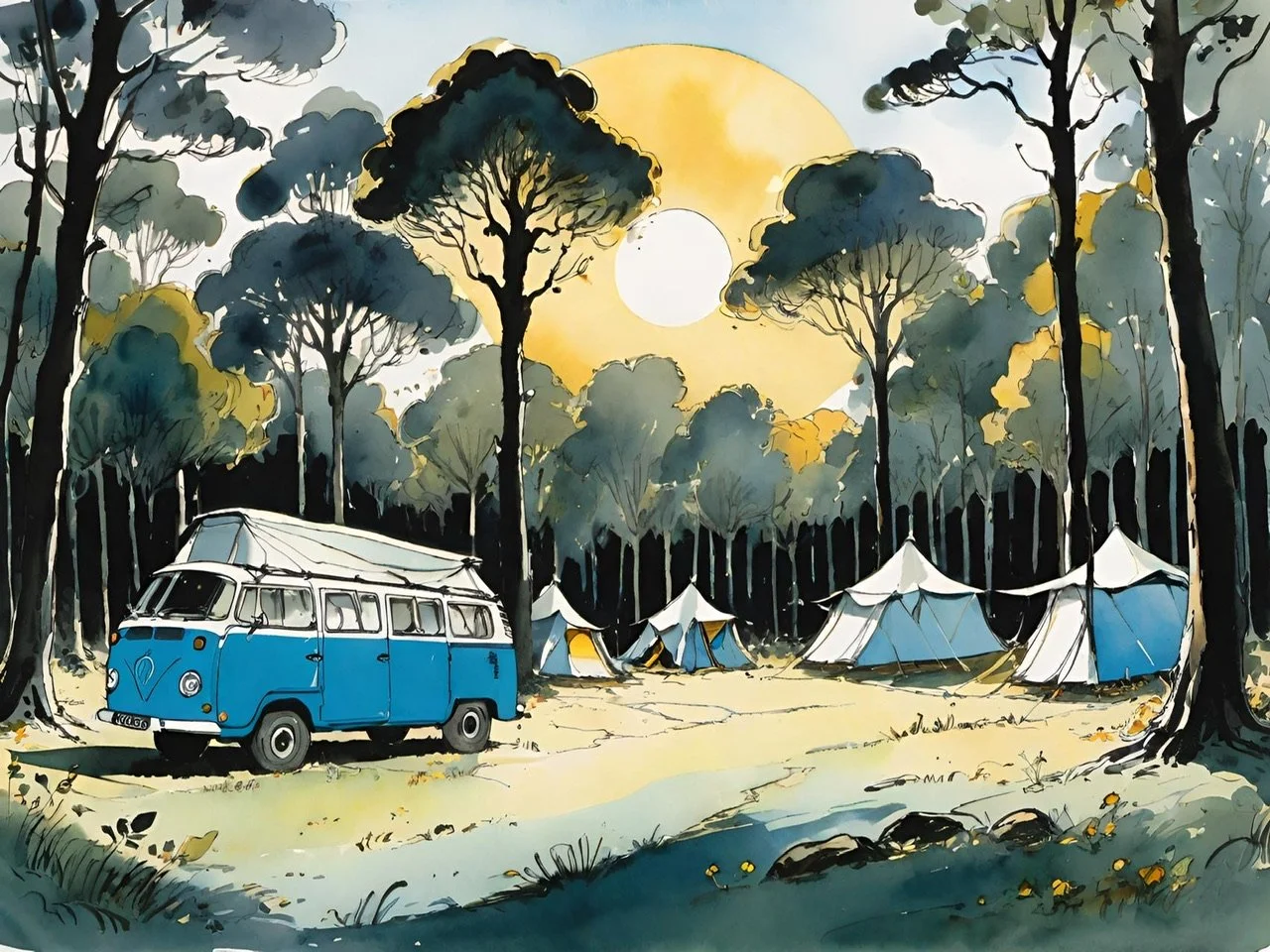
A couple of years ago, I had the privilege of meeting a beautiful young girl who loves my Angel stories. Her family invited my husband Andy and me to spend the day with them, and when we arrived at their home, my three children’s novels, arranged carefully on a table by the front door, greeted me. I looked at my young friend, who was looking at me, hoping I was feeling welcome and special. And a warm feeling of love and gratitude flooded through me.
Why do we do what we do? Why do I write? Do I want to earn a mountain of money and become well-known? Money is useful, even essential, but becoming rich and famous no longer appeals. I’ve discovered there’s a better reason for writing books.
Our words can connect us. They can entertain, inform, help, encourage, and spread love and joy. They can make a child smile. And that’s why I’m revising The Angels of Abbey Creek. When I republish the book, I’ll send my young friend an updated copy. Maybe I’ll visit her again, and she might again carefully arrange my books on a table by her front door. And my heart will overflow with love and gratitude once more.
AI will never experience that warm feeling. It knows nothing about the joy of creating and connecting with others. Without us, its work will never contain a unique spark or share part of itself, spreading love. But it can help me do all those things.
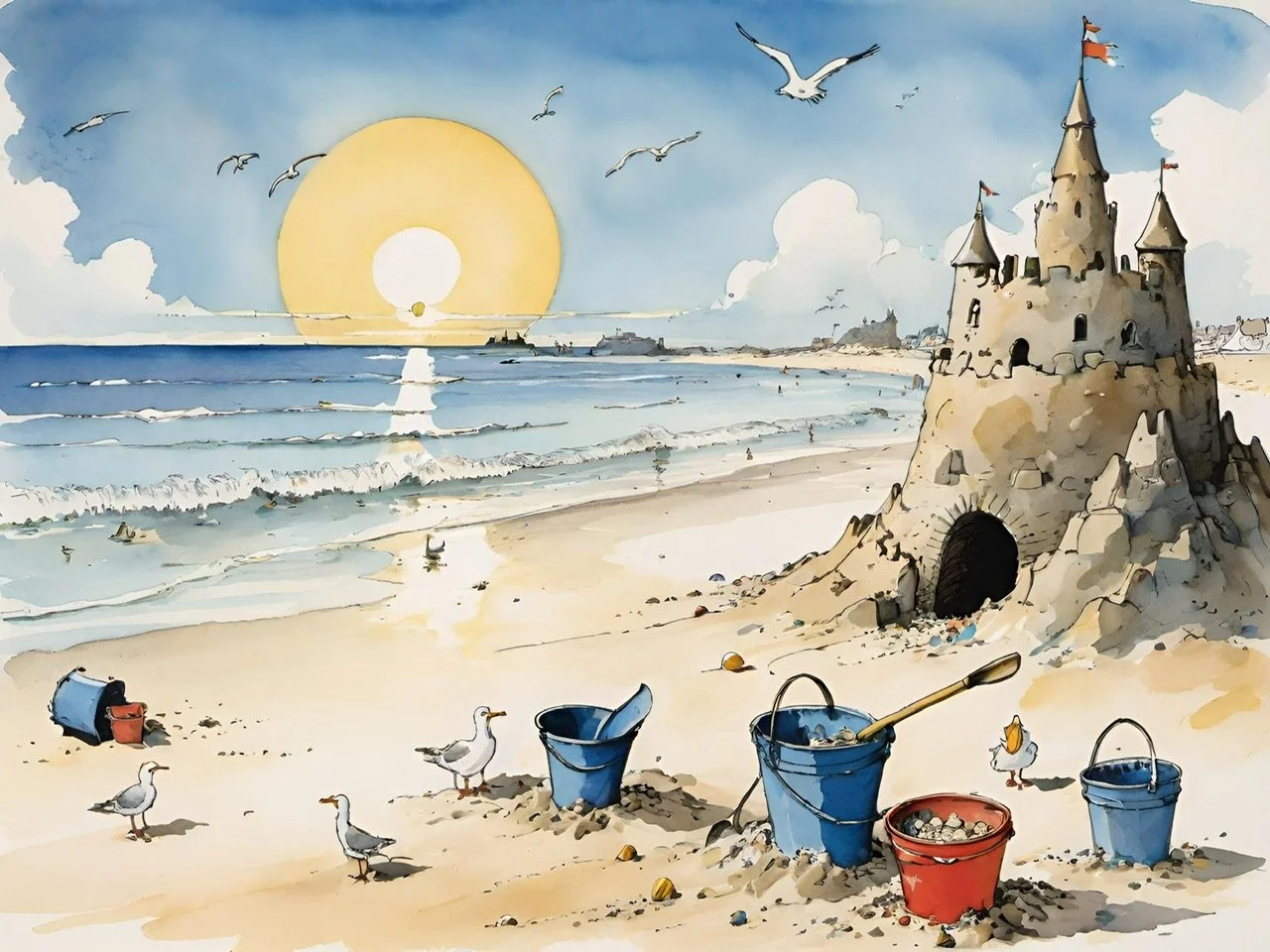
So, I rode the waves, my body relaxed, my mind quiet, trusting, until I spied, in an AI image, the perfect-sized castle built by my Angel family on a golden sand beach. I’m now revisiting The Angels of Abbey Creek book, revising, enjoying, adding my unique spark to my made-up friends’ stories.
For now, this is where I’m meant to be.
So, what do you think?
Have you played around with an AI image generator or tried writing with AI’s help? Have you used AI to edit your photos? I wonder what your spark is. What’s the unique ‘something’ you’re sharing with the world?